Alternatives

7 Best Nano Banana Alternatives in 2026 for Dedicated AI Image Workflows

Nano Banana is genuinely powerful — Google's Gemini-backed image model handles complex prompts, text rendering, and editing well. But it lives inside a chatbot, requires a Google AI subscription for full quality, and has no project workflow around it. Here are the 7 best alternatives for 2026, ranked by templates, control, and standalone pricing.

Try GenImagePro Free — No Credit Card

When Nano Banana is wrong for you

Gemini Image (Nano Banana) is the right tool for casual generation inside a chat — ask Gemini, get an image, ask for changes in plain English. It's the wrong tool when the unit of work is shipping marketing visuals at volume: no prompt templates, no project organization, no consistent aspect ratio control, rate limits on the chat itself, and full quality gated behind a Google AI Plus/Pro/Ultra subscription bundled with features you may not need. If you're using Nano Banana mostly for images and paying for the rest, these 7 alternatives are worth comparing on pricing, workflow, and dedicated image tooling.

Nano Banana — Gemini Image generation by Google.

Compare

Nano Banana alternatives at a glance

Free tier, entry price, AI image strength, and who each tool fits. Click a row for the full write-up.

GenImagePro
#01

GenImagePro

AI images
Best for
Dedicated AI image workflow
Why choose it
Templates, not chat prompts
Price
From $2.99/mo
Free tier
Yes · trial
Midjourney

Midjourney

AI images
Best for
Art-school aesthetics
Why choose it
Best-in-class style
Price
From $10/mo
Free tier
No
ChatGPT Image

ChatGPT Image (DALL-E)

AI images
Best for
Inside ChatGPT
Why choose it
OpenAI ecosystem
Price
ChatGPT Plus $20/mo
Free tier
Limited
Adobe Firefly

Adobe Firefly

AI images
Best for
Adobe ecosystem
Why choose it
Inside Photoshop & Illustrator
Price
CC from $22.99/mo
Free tier
Yes · limited
Leonardo AI

Leonardo AI

AI images
Best for
Power-user control
Why choose it
Model + ControlNet picker
Price
From $12/mo
Free tier
Yes · daily tokens
Ideogram

Ideogram

AI images
Best for
Text-in-image quality
Why choose it
Reads cleanly
Price
From $8/mo
Free tier
Yes · daily limits
Flux

Flux (via Freepik / Replicate)

AI images
Best for
Flux photorealism
Why choose it
Open model, hosted
Price
~$9/mo or pay-per-use
Free tier
Yes · varies

The 7 best Nano Banana alternatives, compared

Read the full write-up of any tool that caught your eye in the table above. Each card covers strengths, trade-offs, real pricing, and the specific job it wins at.

  1. Best for

    • AI image generation as the main job
    • Prompt templates for fast variations
    • Product photography & ecommerce visuals
    • Posters, thumbnails & ad creatives
    • Standalone pricing without a Google subscription

    Pricing

    Free trial available. Paid plans from $2.99, $9.99, and $24.99.

    #01

    GenImagePro

    A dedicated AI image platform with ready-to-use prompt templates for product visuals, posters, thumbnails, ad creatives, and campaign assets — built for image generation as the main job, not as a chatbot feature.
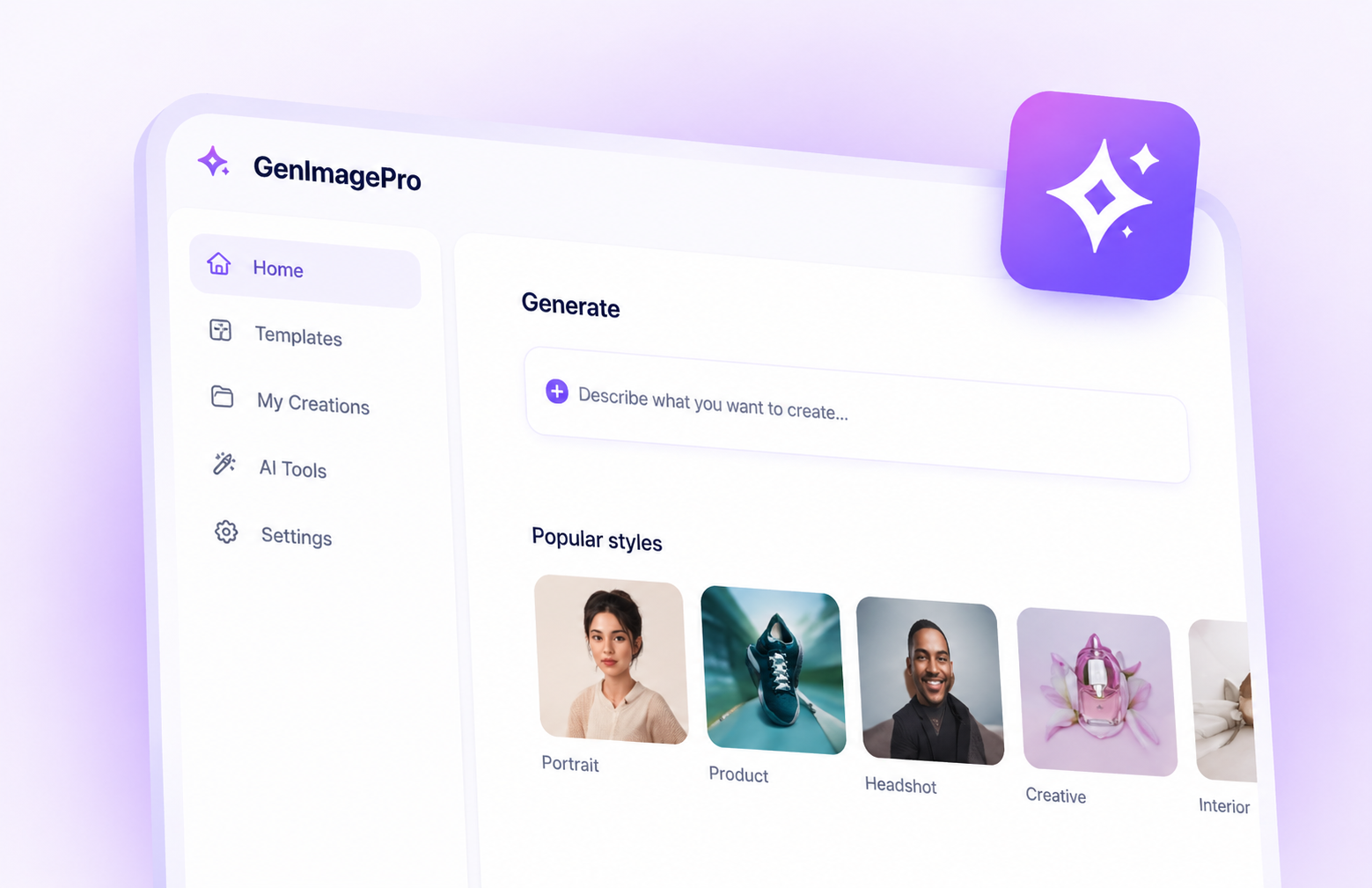
    GenImagePro — AI image generation with prompt templates for product and marketing visuals.

    GenImagePro is what Gemini Image would look like if it were built as a dedicated tool instead of a chat feature. Pick a prompt template (product shot, poster, ad creative, thumbnail, social post), customize it, and generate. You get aspect ratio control, project history, and pricing that scales with how much you generate — not a Google AI subscription bundled with features you may not need.

    Pros

    • Built for image generation, not bolted onto a chatbot.
    • Prompt templates eliminate the blank-prompt friction of chat-driven generation.
    • $2.99/mo standalone vs ~$20/mo Google AI subscription for full Nano Banana access.

    Cons

    • Doesn't include conversational features or integration with the Google ecosystem.
    • No direct API access to underlying models — you're using the product, not the raw model.
    • Smaller user community than Gemini's mainstream audience.

    Best pick when AI image generation is the actual job — not a chatbot feature gated behind a Google subscription.

  2. Best for

    • Stylized illustrations & concept art
    • Editorial and creative direction
    • Mood boards & visual experimentation
    • Users who value aesthetic over speed

    Pricing

    No free tier. Paid plans start at $10/mo (Basic) and scale to $60/mo (Mega), with annual discounts.

    #02

    Midjourney

    The AI image tool with the most distinctive aesthetic — favored by artists, creative directors, and concept designers.
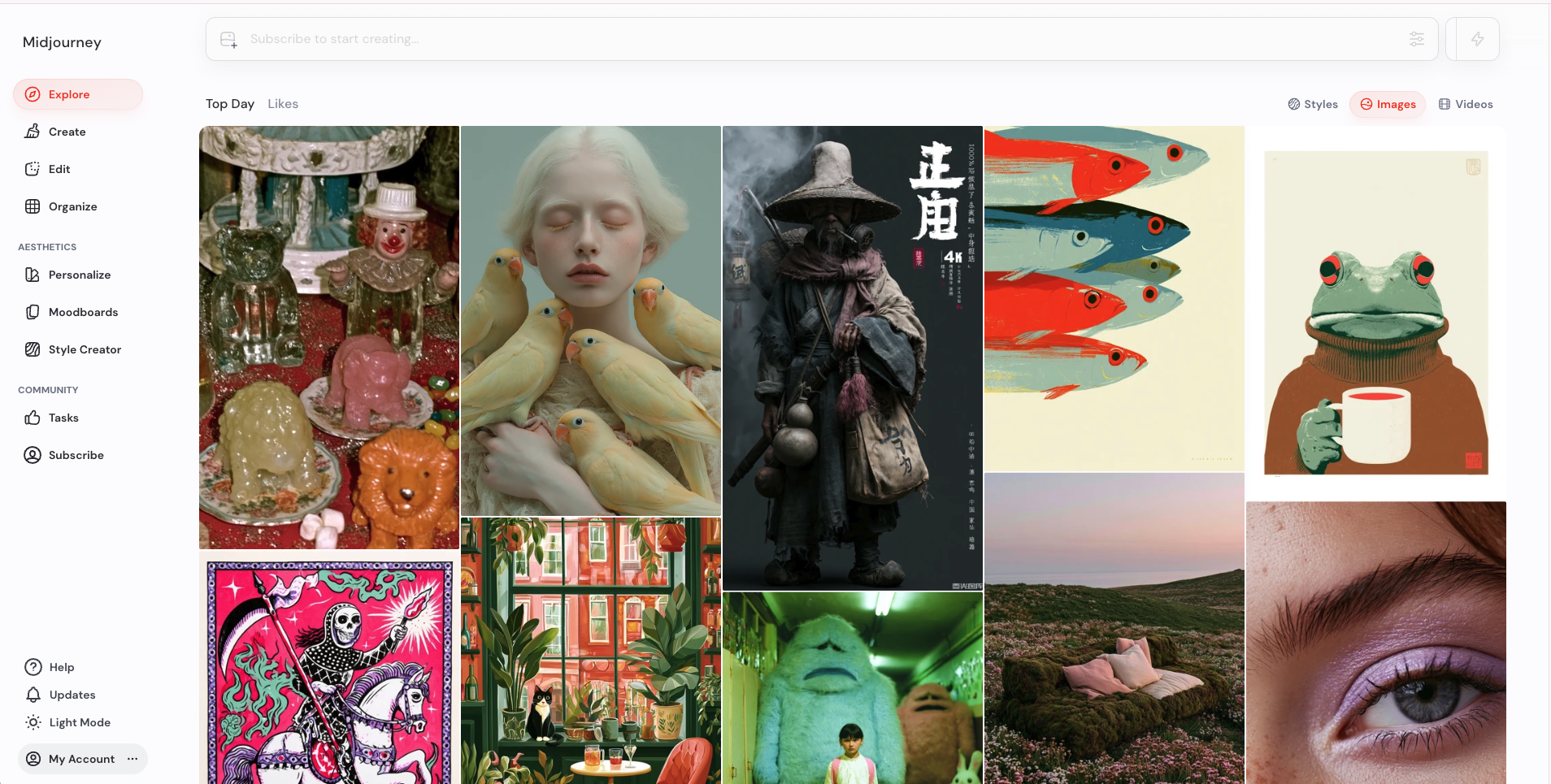
    Midjourney — distinctive AI image generation favored by artists and creative directors.

    Midjourney trades Gemini's general-purpose flexibility for a strongly opinionated aesthetic — its outputs feel art-directed in a way Gemini's don't. The trade-off is workflow: Discord-based history with a web UI catching up, parameter syntax (--ar, --stylize), and no free tier. Worth it when the aesthetic matters more than the conversational ease of asking Gemini for changes.

    Pros

    • Most distinctive visual style among major AI image tools.
    • Strong control via parameters (--ar, --stylize, --chaos, etc.).
    • Active community sharing prompts and techniques.

    Cons

    • Discord-based workflow feels dated compared to Gemini's chat UI.
    • No free tier — you commit before knowing the output quality.
    • Slower iteration than tools with proper web UIs.

    Best pick when aesthetic quality matters more than chat-driven iteration.

  3. Best for

    • Casual image generation inside chat
    • ChatGPT Plus subscribers
    • OpenAI ecosystem users
    • Mixed text + image workflows

    Pricing

    Limited free tier through ChatGPT free. Full access via ChatGPT Plus at $20/mo or Pro at $200/mo.

    #03

    ChatGPT Image (DALL-E)

    AI image generation built into ChatGPT — the OpenAI equivalent of what Gemini Image does inside Google's app.
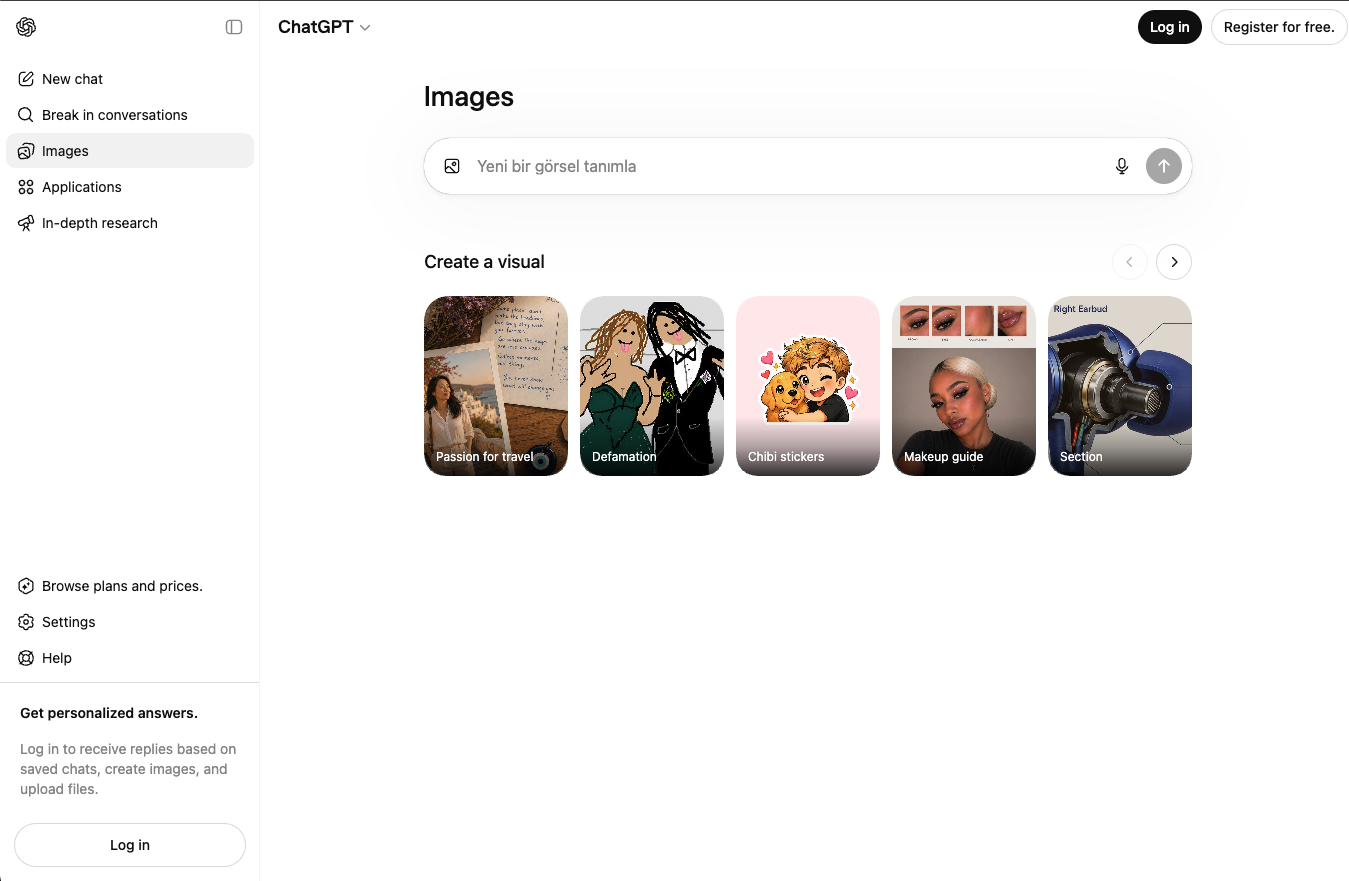
    ChatGPT Image — AI image generation inside ChatGPT with conversational prompts.

    ChatGPT Image is the closest direct comparison to Nano Banana — both are chat-first AI image generators bundled into broader AI subscriptions ($20/mo each for the consumer tier). The trade-offs run parallel: rate limits, limited control over aspect ratio and style, no dedicated workflow for shipping images at volume. Pick based on which ecosystem you already use (Google or OpenAI) — the underlying value prop is similar.

    Pros

    • Easiest prompt iteration through natural conversation.
    • No separate tool to learn or pay for if you already have ChatGPT Plus.
    • Integrates with text generation for mixed content workflows.

    Cons

    • Similar rate-limit and control issues as Nano Banana.
    • Lower quality ceiling than dedicated AI image tools.
    • Pricing at $20/mo for Plus competes directly with Google AI Plus.

    Best pick when you already pay for ChatGPT Plus and prefer OpenAI's ecosystem to Google's.

  4. Best for

    • Creative Cloud subscribers
    • AI inside Photoshop and Illustrator
    • Commercial-safe stock-trained outputs
    • Adobe-native workflows

    Pricing

    Limited free tier with monthly credits. Full access via Creative Cloud, which starts at $22.99/mo for individual plans.

    #04

    Adobe Firefly

    Adobe's AI image generator — strong inside Photoshop, Illustrator, and Express, with commercial-safe training data.
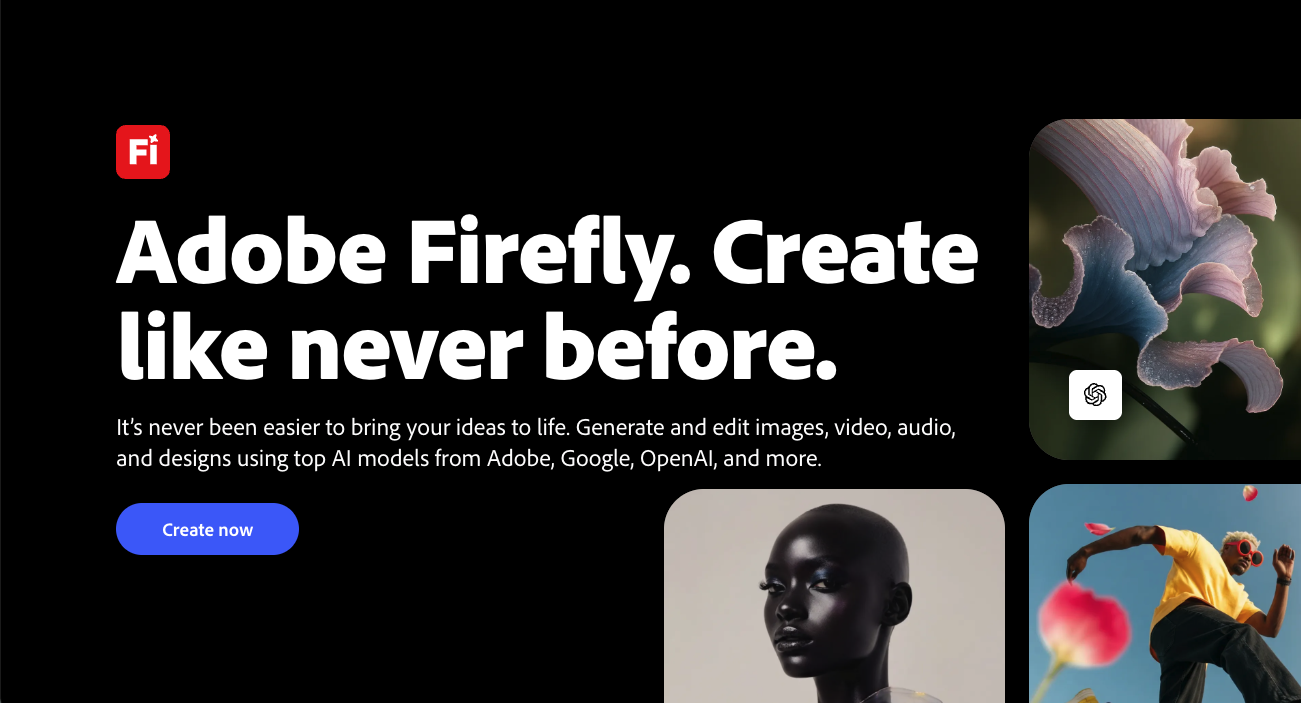
    Adobe Firefly — AI image generation inside the Adobe Creative Cloud ecosystem.

    Firefly's main advantage over Nano Banana is integration into actual design apps — Photoshop's generative fill, Illustrator's vector workflows — and commercial-safe training on Adobe Stock content. The trade-off is pricing: you're paying for the entire Creative Cloud subscription, not just AI. For Nano Banana users who'd rather work inside design tools than a chat interface, Firefly is the natural step up.

    Pros

    • Tight integration with Photoshop, Illustrator, and Express.
    • Commercial-safe training on Adobe Stock content.
    • Strong generative fill and inpainting workflows inside Adobe apps.

    Cons

    • Effective pricing through Creative Cloud is higher than Google AI subscriptions.
    • Generative credits run out quickly on heavy use.
    • Less polished for casual standalone generation than Gemini Image.

    Best pick when your work has to land in Photoshop or Illustrator and you already pay for Creative Cloud.

  5. Best for

    • Game asset and concept art workflows
    • Power users who want ControlNet & model choice
    • Daily generation on the free tier
    • Composition-heavy iteration

    Pricing

    Free tier with daily tokens. Paid plans from $12/mo (Apprentice) to $60/mo (Maestro).

    #05

    Leonardo AI

    An AI image platform built for power users — model picking, ControlNet, fine-grained composition control, and a generous free tier.
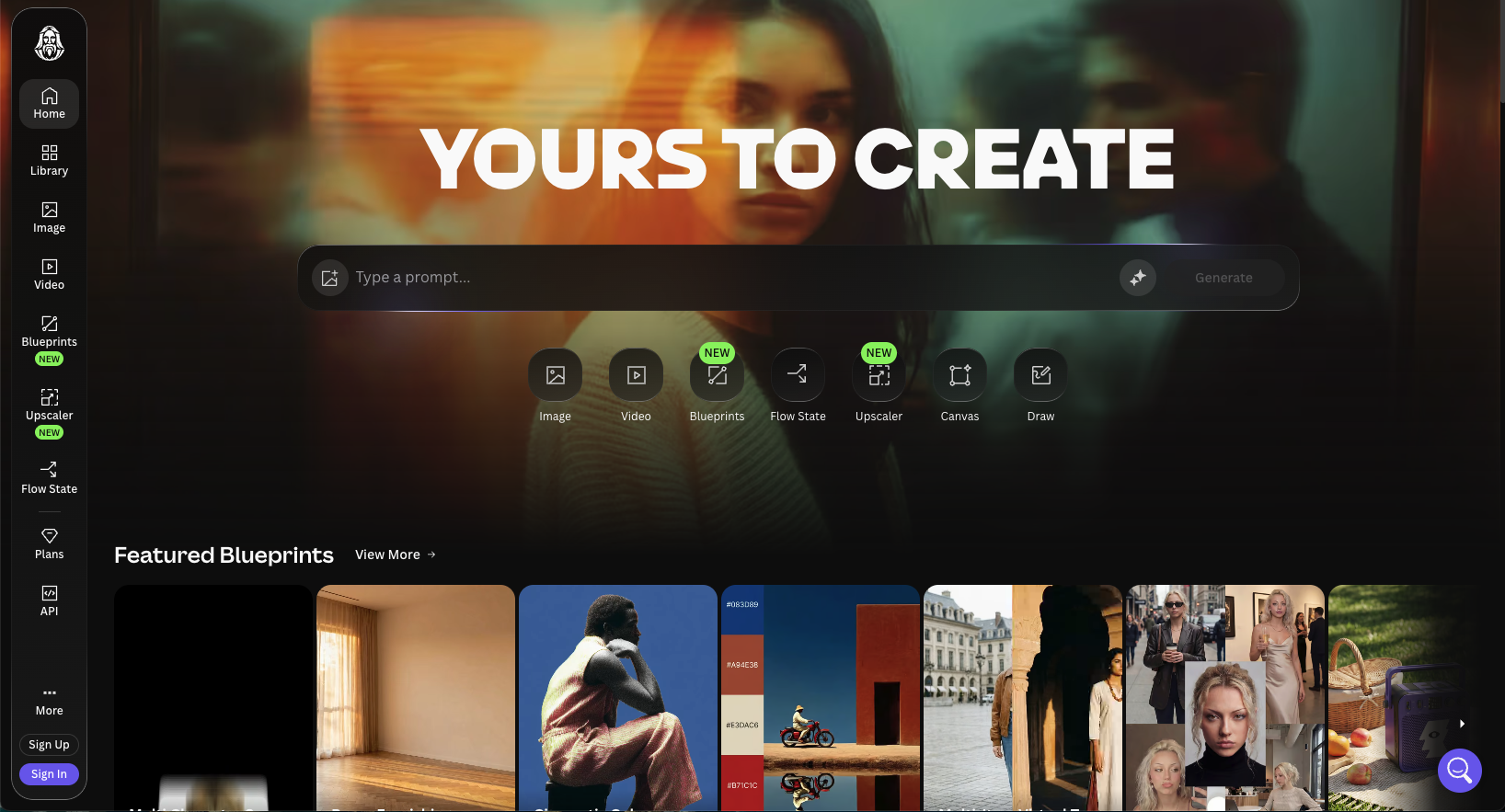
    Leonardo AI — AI image generation with ControlNet, model picking, and fine-grained control.

    Leonardo gives you the dials Gemini hides: pick the underlying model, use ControlNet for pose and composition, apply LoRAs, regenerate specific regions. It's a different design choice from Gemini's chat-driven simplicity — much more control, much steeper learning curve. For Nano Banana users who feel constrained by chat-based iteration, Leonardo is the obvious upgrade.

    Pros

    • ControlNet and model picker give real composition control.
    • Free tier with daily refilling tokens is genuinely usable.
    • Strong for game art, character work, and stylized illustration.

    Cons

    • Steeper learning curve than chat-driven Gemini Image.
    • Less polished for casual one-off image generation.
    • Output quality varies more by model choice than with Nano Banana's single pipeline.

    Best pick when you want serious composition control and don't mind a steeper learning curve.

  6. Best for

    • Posters and event graphics
    • Logos and wordmarks
    • Ad creatives with headlines
    • Quotes and typography-led visuals

    Pricing

    Free tier with daily limits. Paid plans from $8/mo (Basic) to $48/mo (Pro), with annual discounts.

    #06

    Ideogram

    An AI image tool that actually renders text correctly — built for posters, logos, ads, and any image with words inside it.
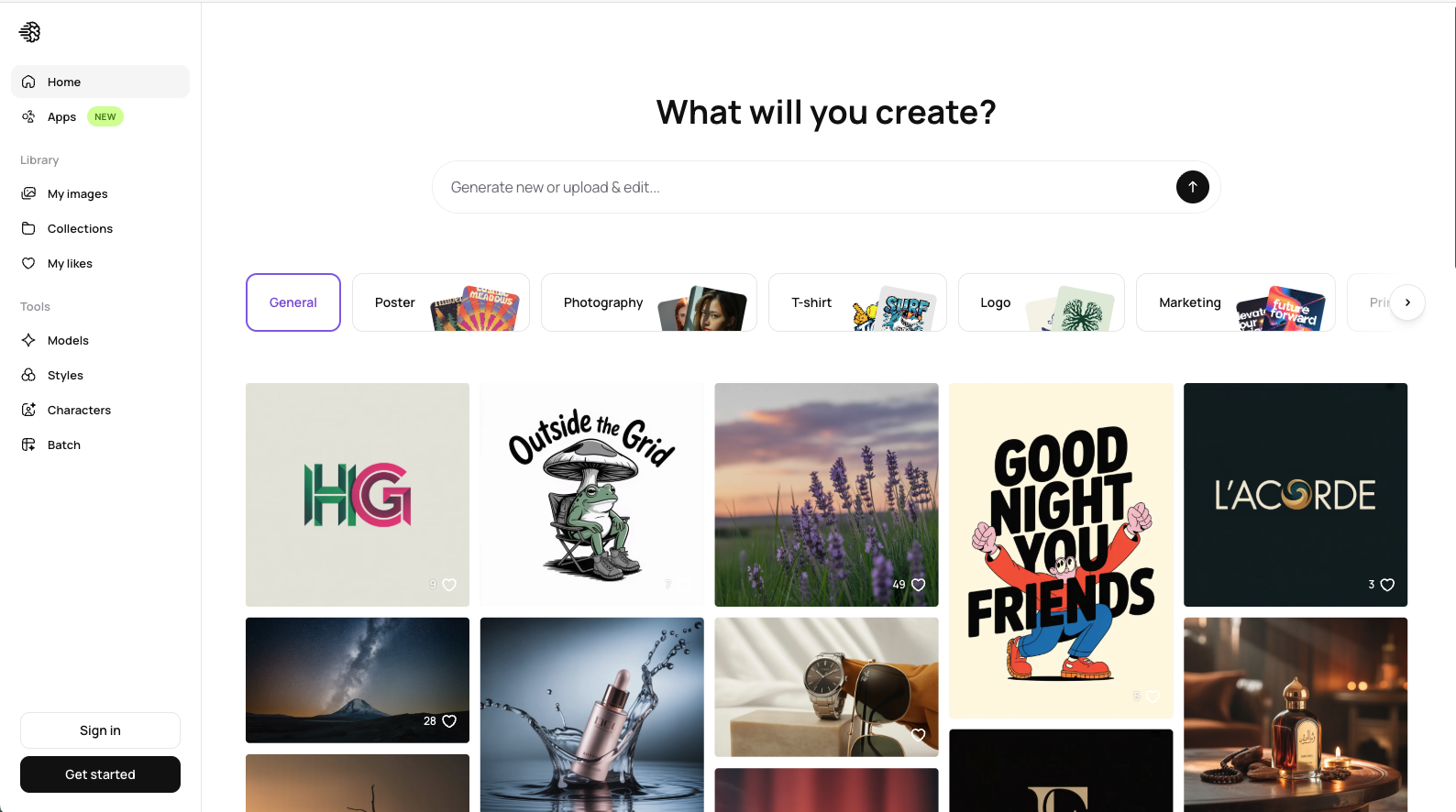
    Ideogram — AI image generation with high-quality text rendering for posters and ads.

    Ideogram and Nano Banana are both strong at text rendering — Gemini's recent improvements made it competitive. But Ideogram is purpose-built for it, with a UI tuned for text-heavy outputs, prompt-sharing community, and a usable free tier. Narrower in scope than Nano Banana overall, but a clear win when posters, ads, or logos are the deliverable.

    Pros

    • Best-in-class text rendering inside generated images.
    • Clean web UI with strong prompt-sharing and remix features.
    • Free tier is generous enough to test real use cases.

    Cons

    • Less versatile for non-text-led images than general-purpose tools.
    • Output style is less distinctive than Midjourney's.
    • Smaller community and fewer features than Google-backed Nano Banana.

    Best pick when the image needs legible text — posters, ads, logos, event graphics.

  7. Best for

    • Photorealistic outputs
    • Open-source model users
    • Pay-per-generation workflows
    • Power users without local GPUs

    Pricing

    Pay-per-generation on Replicate and fal.ai. Subscription via Freepik from ~$9/mo with bundled Flux generations.

    #07

    Flux (via Freepik / Replicate)

    Black Forest Labs' open-source Flux model, hosted via platforms like Freepik, Replicate, or fal.ai — strong photorealism without local setup.
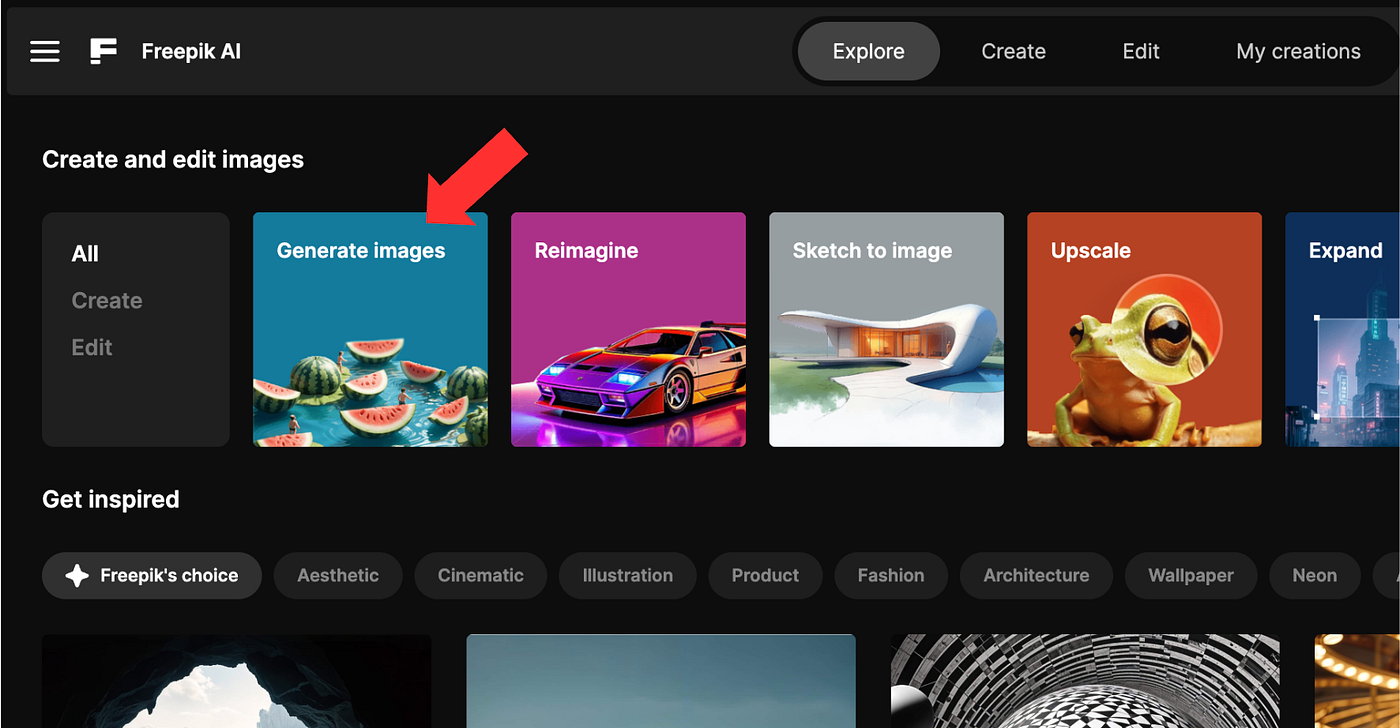
    Flux — open-source photorealistic AI image model hosted via Freepik and Replicate.

    Flux is the photorealism benchmark in open-source AI image generation — the closest direct competition to Nano Banana on raw model quality. You can access it via Replicate (pay per generation), fal.ai, or bundled into Freepik's design platform. For Nano Banana users who specifically want open-source transparency or pay-per-use pricing, Flux is the natural alternative.

    Pros

    • State-of-the-art photorealism on the Flux dev and pro variants.
    • Pay-per-generation pricing scales with actual use.
    • Open-source model means more transparency than closed alternatives.

    Cons

    • Less polished UI than Gemini's chat interface — you're using a hosting platform's UI.
    • No unified workflow across Flux variants — each platform handles it differently.
    • Pay-per-generation pricing can spike unpredictably on heavy use.

    Best pick when photorealism is the priority and you want open-source transparency or pay-per-use pricing.

Ready to generate without the chatbot detour?

Join thousands of creators and businesses already using GenImagePro.

No credit card required
Free to get started

FAQ

Nano Banana Alternatives FAQ

Pricing, Google subscription bundling, commercial use, and picking the right AI image tool when Gemini's chat-driven approach isn't enough.

Is Nano Banana free?
Partially. The Gemini app gives free users limited access to image generation, but full Nano Banana 2 and Nano Banana Pro quality typically require a Google AI Plus, Pro, or Ultra subscription. Real usage hits rate limits fast on the free tier. If image generation is the main reason you'd subscribe to Google AI, you're paying suite pricing for a single feature. GenImagePro starts at $2.99/mo standalone, with no Google subscription required and clearer per-plan limits.
What is the best Nano Banana alternative in 2026?
Depends on what you're doing. For prompt-template-driven generation of product visuals, posters, and ad creatives at standalone pricing, GenImagePro is our pick. Midjourney wins on aesthetic. Adobe Firefly wins inside Creative Cloud. Leonardo wins for power-user control. Ideogram wins for text-heavy outputs. Flux via Freepik or Replicate wins for open-source photorealism with pay-per-use. ChatGPT Image is the closest peer to Nano Banana for chat-driven generation. Pick GenImagePro when image generation is the actual job.
Why are people looking for Nano Banana alternatives?
Three reasons we hear most: (1) Google AI subscription bundling — full Nano Banana access requires a $20+/mo Google AI plan that includes features you may not use, (2) no dedicated workflow — Gemini Image lives inside a chatbot, with no project organization, prompt templates, or generation history beyond chat scrollback, (3) rate limits even on paid tiers interrupt heavy workflows. GenImagePro addresses all three: standalone pricing from $2.99/mo, prompt-template library, and per-plan image limits instead of opaque rate limiting.
Does Nano Banana use my personal data?
Yes, if you've connected Google Photos or other Google services. Google's Personal Intelligence feature pulls context from your Gmail, Photos, and other connected accounts to personalize generated images — useful for casual use, concerning for commercial work where you don't want personal context leaking into client deliverables. Alternatives like GenImagePro, Midjourney, and Ideogram don't ingest personal account data into the generation pipeline.
Can I use Nano Banana alternatives commercially?
Usually yes, but check each platform's license terms. GenImagePro is built for commercial marketing and ecommerce use. Midjourney, Leonardo, Ideogram, and Adobe Firefly all permit commercial use on paid plans, with Firefly offering the strongest commercial-safety guarantees via Adobe Stock training. Google's commercial terms for Gemini Image outputs exist but vary by access path (Gemini app vs API vs Vertex AI). For commercial work, alternatives with simpler license terms can be easier to defend.
Is GenImagePro better than Nano Banana?
For dedicated image generation work, yes — GenImagePro gives you prompt templates, project organization, and standalone pricing that Gemini Image doesn't. For casual one-off images inside conversations, Nano Banana is more convenient. The honest test: are you generating images as a workflow (shipping campaigns, product shots, content) or as occasional output (one-off illustrations, casual graphics)? GenImagePro is built for the first case; Nano Banana is built for the second.
Which Nano Banana alternative is best for product photography?
GenImagePro. Its prompt templates are tuned for product shots, ecommerce visuals, and campaign stills — exactly the use case where Gemini's general-purpose chat interface adds friction. Adobe Firefly is a strong runner-up if outputs need to land in Photoshop. Flux via Freepik produces excellent photorealistic product images but requires more setup. For 'I need 30 angles of this SKU by Friday' work, GenImagePro is built for that throughput.
Which Nano Banana alternative has the best free tier?
Ideogram and Leonardo AI offer daily refilling tokens that are usable on the free tier. Microsoft Designer is free with any Microsoft account. GenImagePro offers a trial that lets you test the prompt-template workflow before paying. Gemini's free tier exists but rate limits hit fast — most heavy users end up on a Google AI subscription within days.
Do Nano Banana alternatives have watermarks?
Varies. GenImagePro's free trial outputs include a small watermark; paid plans are watermark-free. Midjourney, Leonardo, Ideogram, and Firefly outputs are watermark-free on paid plans. Nano Banana outputs include SynthID watermarks (invisible) and C2PA content credentials identifying them as AI-generated — useful for transparency but worth knowing if your use case is sensitive to AI-content disclosure.
Should I cancel my Google AI subscription entirely?
Depends on what else you use it for. If image generation was the main reason you subscribed, switching to a dedicated tool typically saves money and gives you better image-specific features. Keep Google AI if you also rely on Gemini for text work, research, or its other features. GenImagePro starts at $2.99/mo — even paired with Gemini free, the total cost is usually lower than Google AI Plus alone, with a real image workflow on top.