15 AI Clothing Video Prompts for Fashion & Model Videos (2026)
Create clothing and fashion model videos from still images with structured AI video prompts.
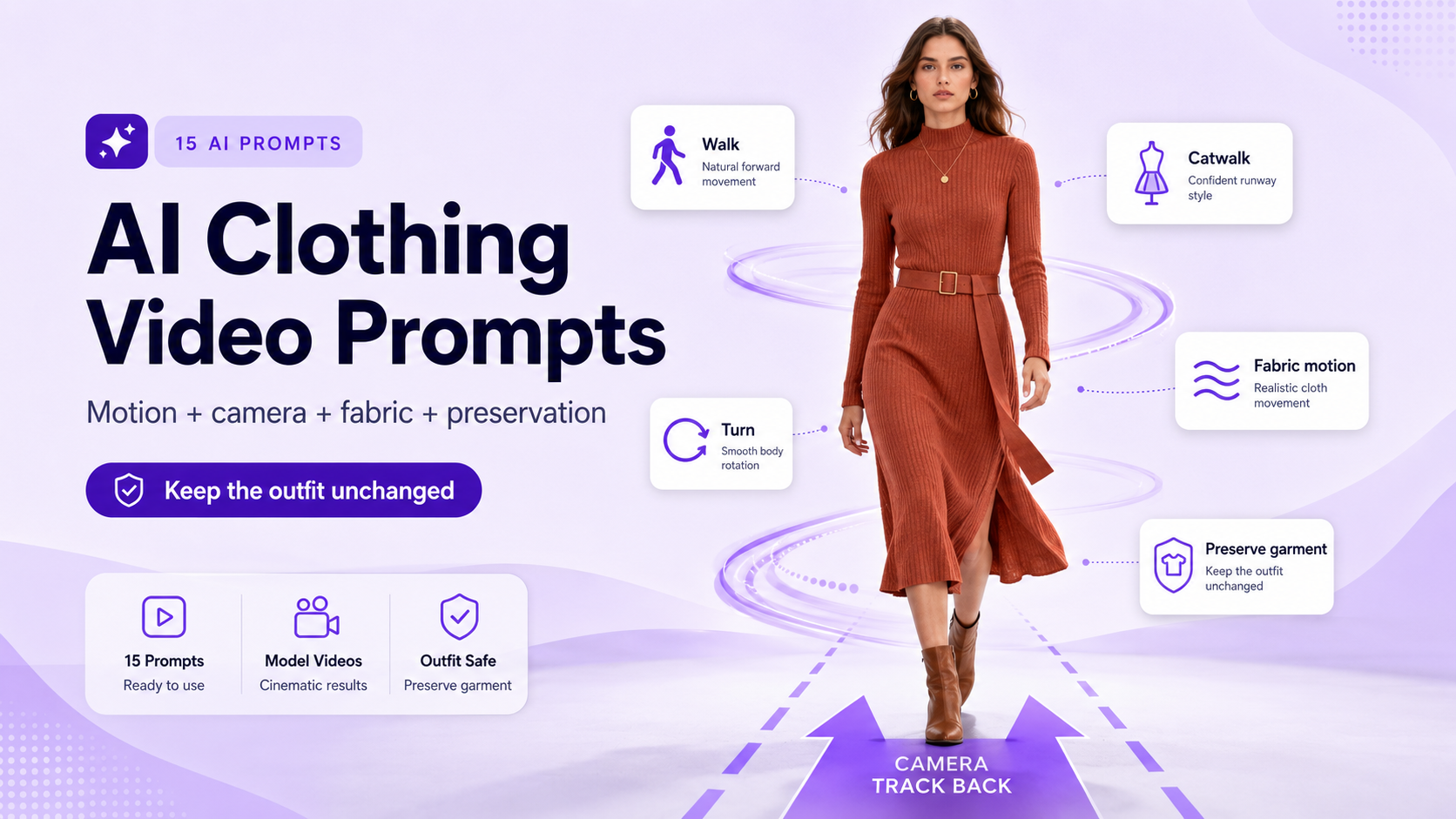
AI clothing video prompts work best when they describe motion without redesigning the outfit. For fashion ecommerce, the priority is usually to preserve the model, garment silhouette, color, print, neckline, sleeves, proportions, footwear, and accessories while adding believable movement. The 15 prompts below are designed for image-to-video workflows where you already have a fashion photo and want to turn it into a short commercial video.
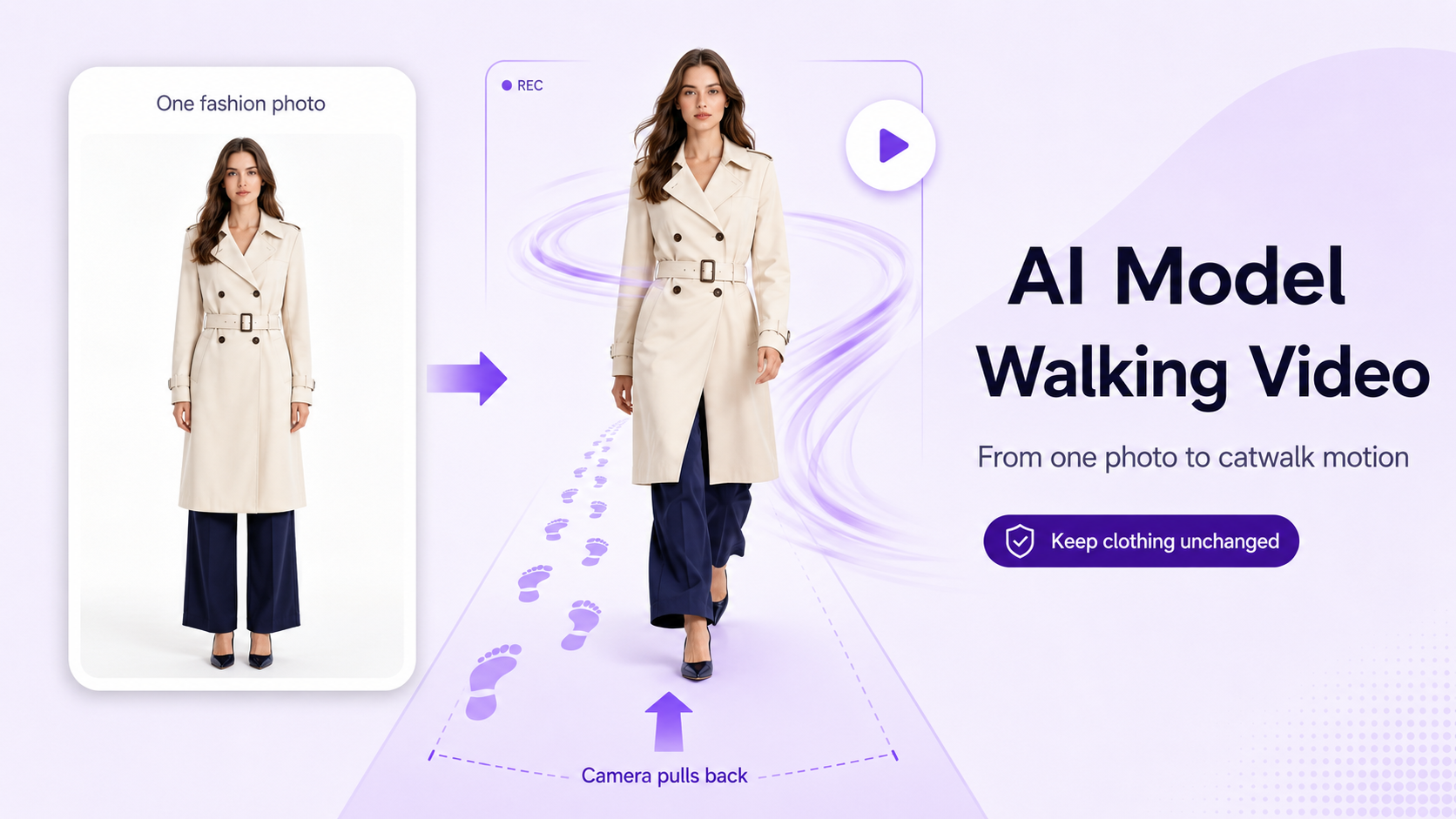
GenImagePro helps you start from a clothing or model photo and create walking, catwalk, studio, and campaign videos. For walking-specific motion, see how to create an AI model walking video from one photo. For garment-first try-on workflows, see AI clothing try-on videos for ecommerce. For a broader concept library, see AI fashion video ideas.
How to Write Better AI Fashion Video Prompts
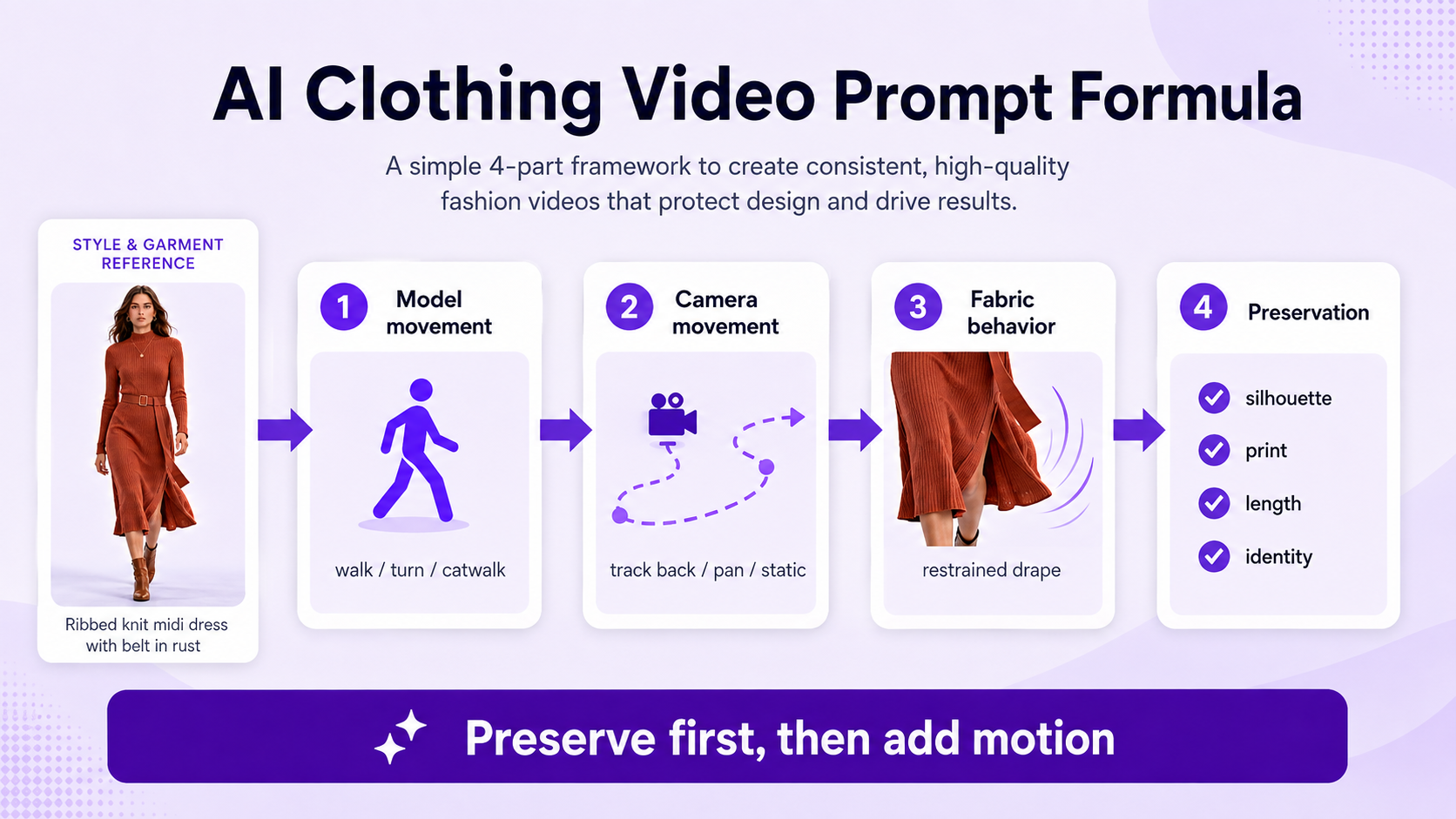
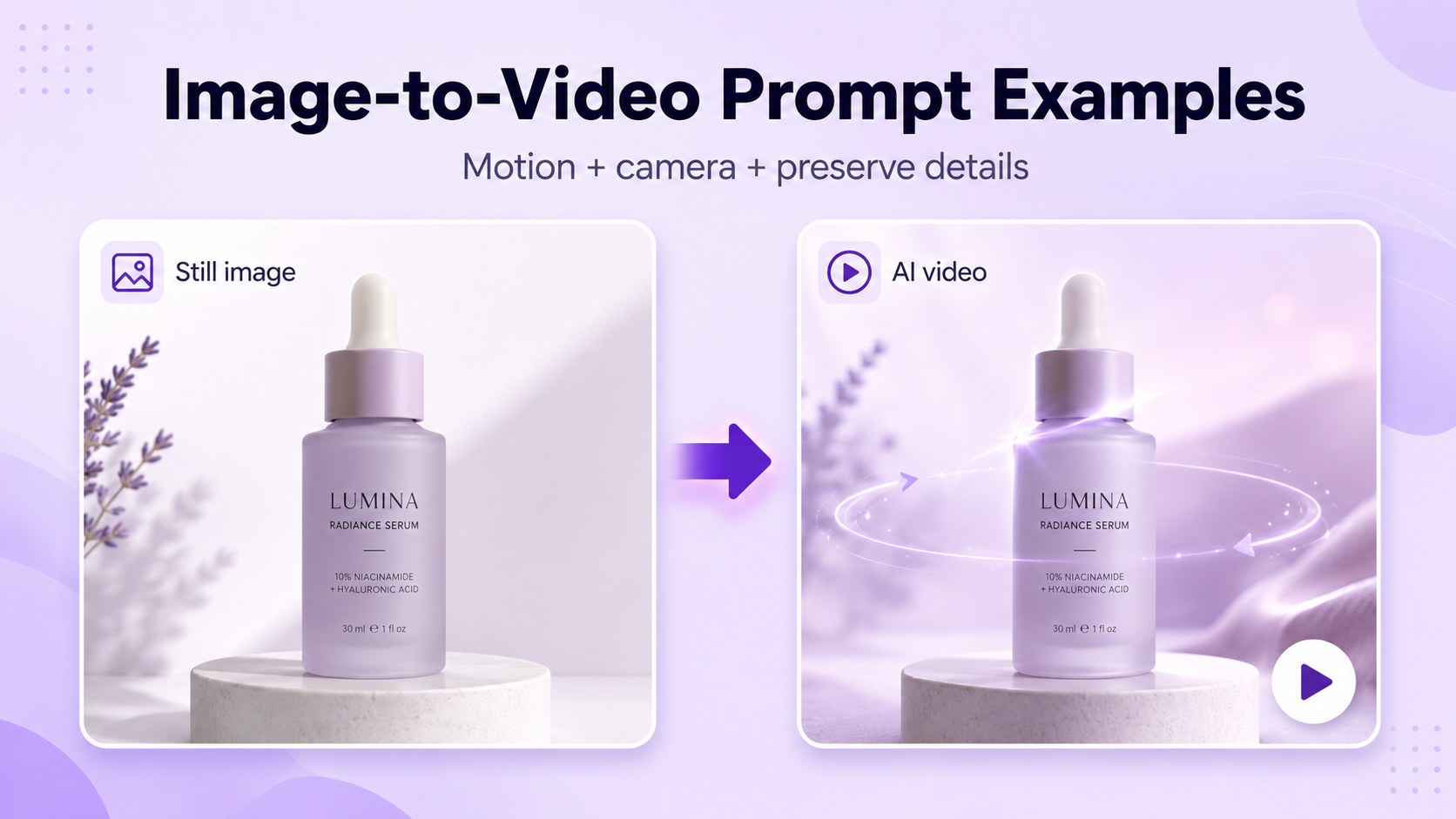
A strong fashion image-to-video prompt usually has four parts: the model movement, the camera movement, the amount of fabric motion, and a preservation instruction. Keep movement specific and restrained. Instead of asking for a cinematic fashion video, describe exactly what should happen: walk forward, turn three-quarters, move sideways, or pause after two steps. Then tell the model what must remain unchanged.
A reusable fashion video prompt covers model movement, camera movement, fabric behavior, and the details that must stay unchanged.
1. Forward Fashion Walk
Best for: dresses, coats, complete outfits, ecommerce catalog images, and full-body fashion photos.
2. Natural Model Walk
Best for: casualwear, marketplace listings, simple product demonstrations, and realistic clothing presentation.
3. AI Catwalk
Best for: premium fashion, lookbooks, collection launches, runway-style ecommerce creative, and social content.
4. Walk and Three-Quarter Turn
Best for: showing garment shape from multiple angles without generating a full spin.
5. Side Walking
Best for: coats, trousers, dresses, skirts, and outfits where side silhouette and garment length matter.
6. Slow Luxury Walk
Best for: luxury fashion, outerwear, eveningwear, premium product pages, and high-end campaign visuals.
7. Street-Style Walk
Best for: streetwear, casual fashion, lifestyle campaigns, social ads, and clothing brand content.
8. Minimal Studio Motion
Best for: product pages, marketplaces, catalog visuals, and clothing videos where garment fidelity matters more than dramatic movement.
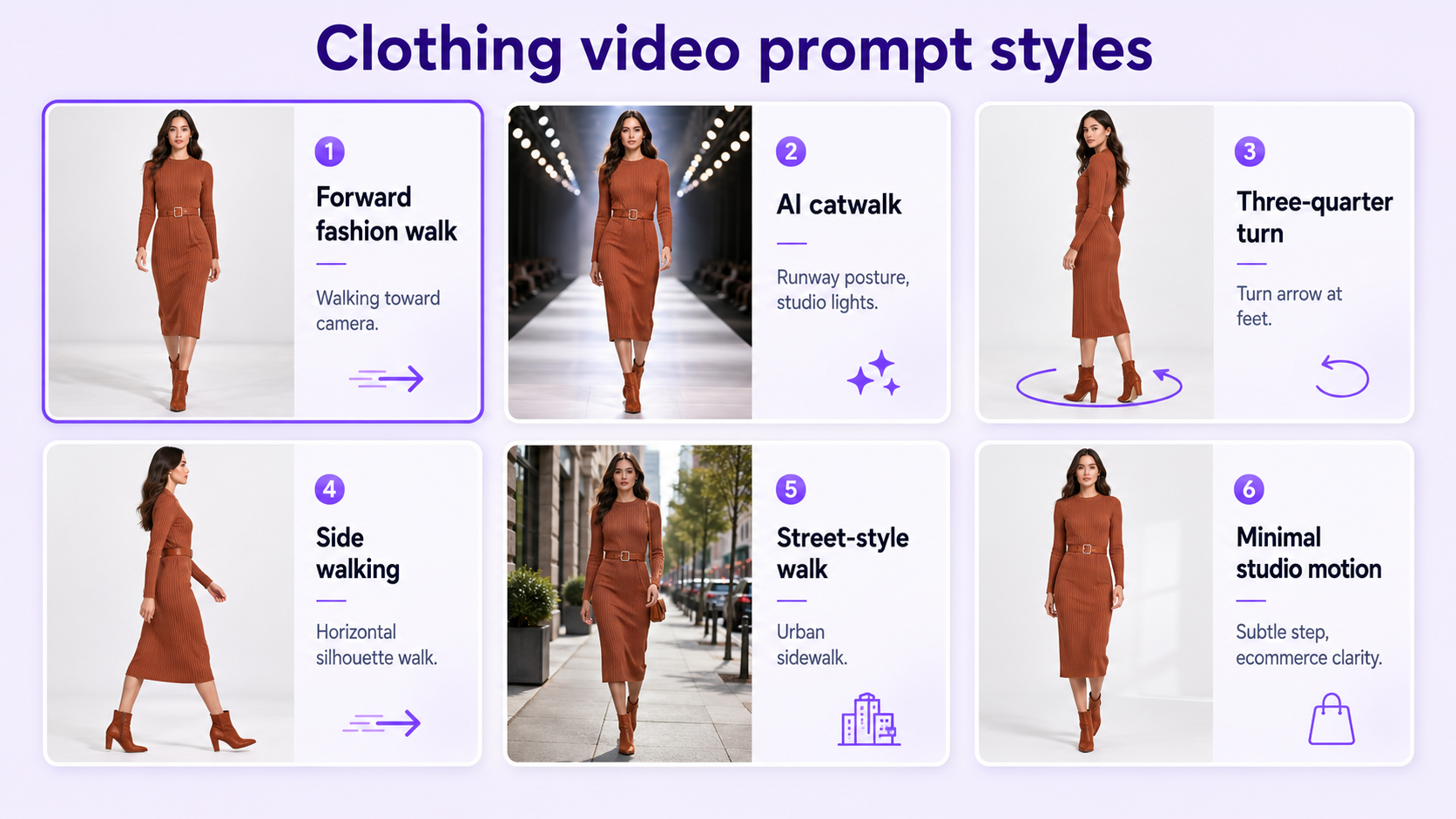
The same fashion photo can support ecommerce walks, runway motion, lifestyle clips, and catalog-style videos when the clothing stays consistent.
9. Editorial Fashion Motion
Best for: fashion campaigns, editorial imagery, designer collections, and premium social content.
10. Dress Fabric Movement
Best for: dresses, skirts, flowing garments, and ecommerce videos that need to communicate drape and movement.
11. Coat Walking Video
Best for: trench coats, jackets, long outerwear, and fashion videos where construction details must remain stable.
12. Fashion Image-to-Video
Best for: general image-to-video fashion workflows when you want a reusable prompt that works across different clothing categories.
13. Ecommerce Clothing Showcase
Best for: product detail pages, marketplaces, catalogs, Shopify stores, and conversion-focused fashion visuals.
14. Clothing Ad Video
Best for: Instagram, TikTok, paid social, collection launches, and short clothing brand advertisements.
15. Fashion Detail Close-Up
Best for: fabric texture, premium details, tailoring, knitwear, outerwear, and product-focused fashion ads.
Prompt Formula for AI Clothing Videos
A reusable formula is: Model movement + camera movement + fabric behavior + preservation instruction + commercial style. For example: The model walks forward naturally; the camera tracks backward; the fabric moves only in response to the walk; preserve the exact garment and model identity; clean ecommerce fashion lighting.
How to Keep Clothing Consistent in AI Fashion Videos
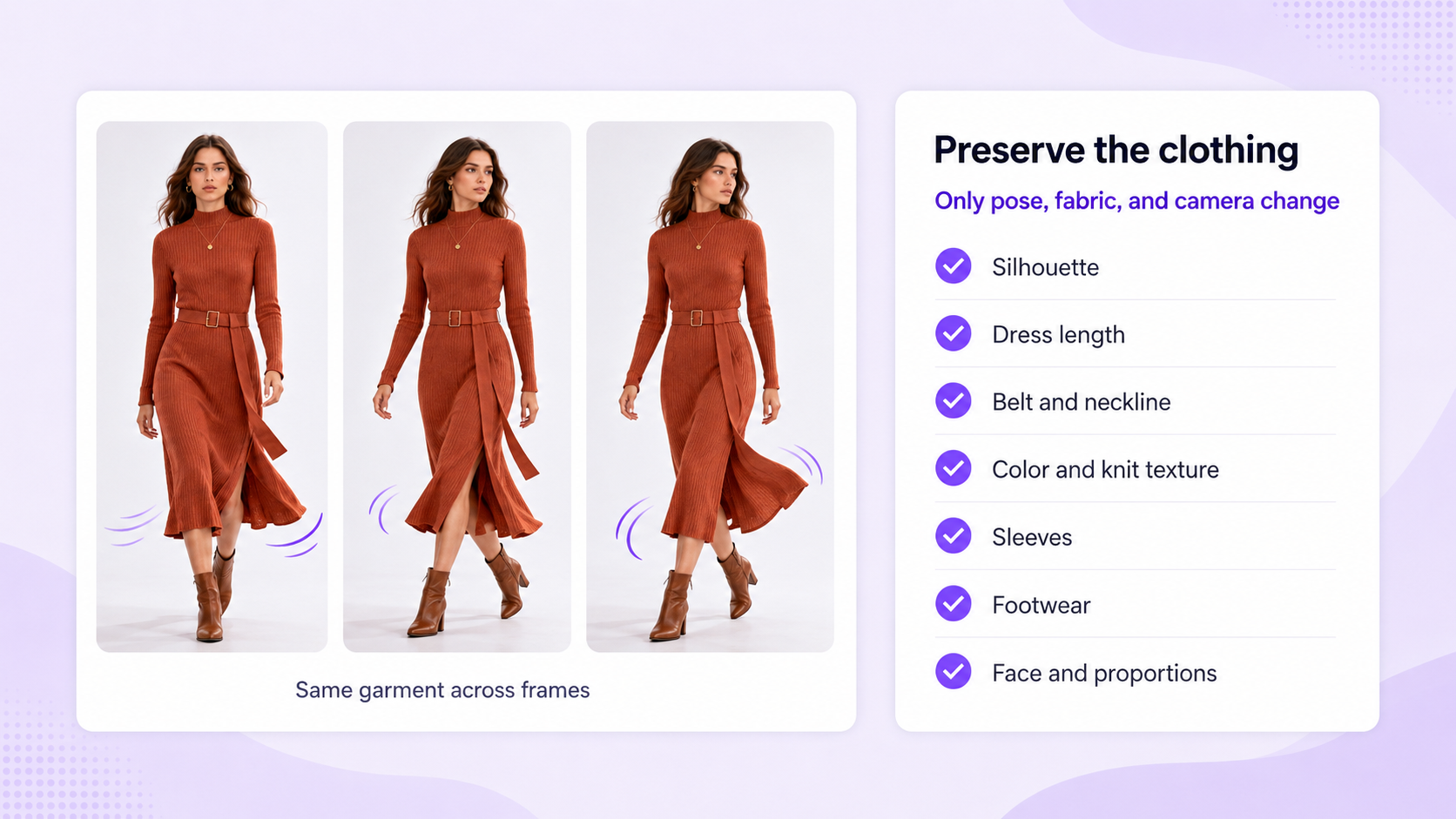
The source image matters as much as the prompt. Use a clear full-body photo whenever possible, with the garment unobstructed and the legs and footwear visible. Avoid overly complicated motion when product fidelity is the priority. In your prompt, explicitly preserve silhouette, garment length, print or color, neckline, sleeves, buttons, belt, trouser drape, footwear, accessories, face, and body proportions. Generate multiple variations and choose the take that keeps the product most faithful to the original.
Preserve silhouette, length, print, neckline, sleeves, buttons, footwear, and model identity while only pose, fabric, and camera change.
Create AI Fashion Videos With GenImagePro
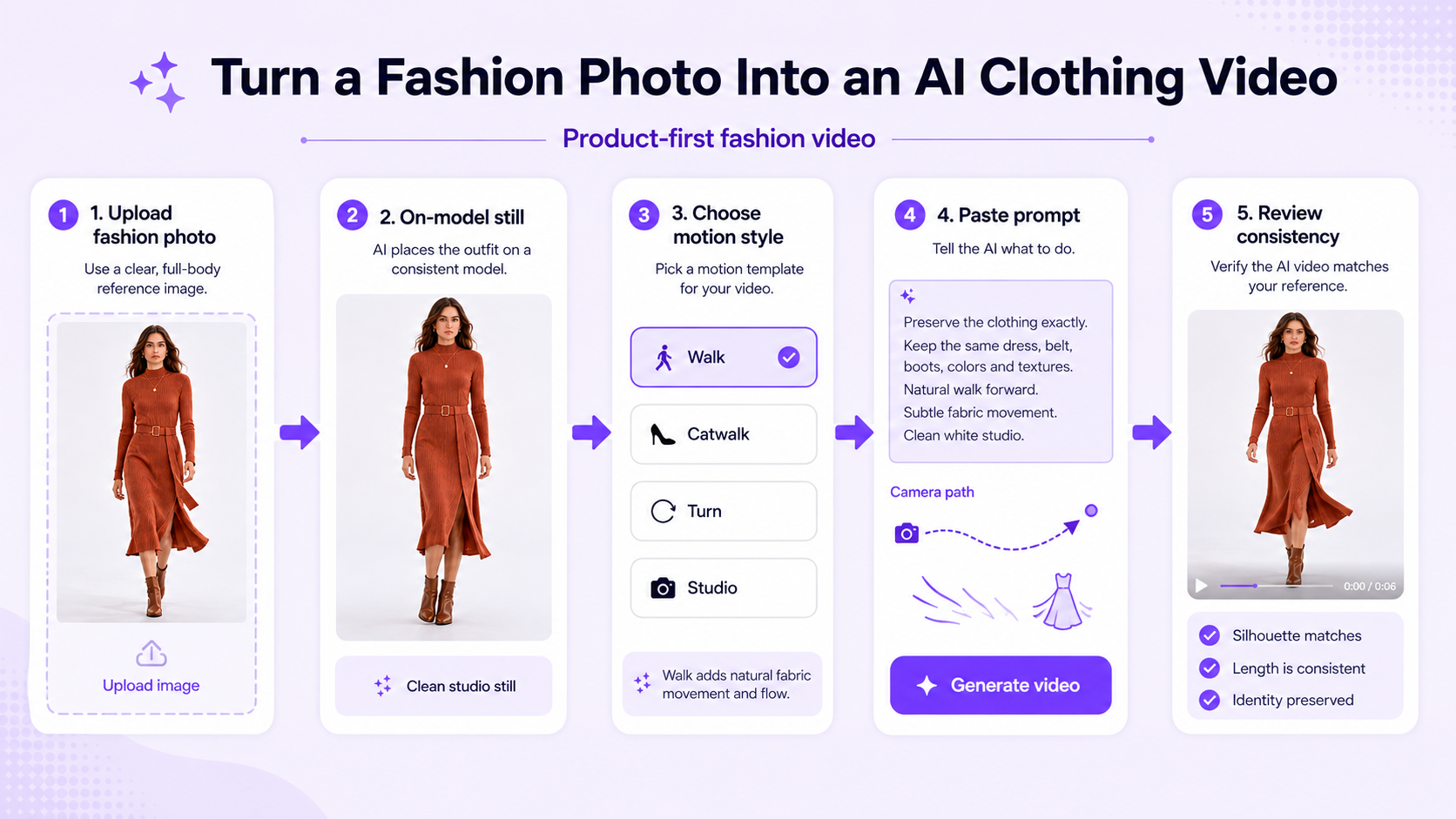
With GenImagePro, you can start from a fashion or clothing photo, create an on-model image, choose a motion style, and turn the result into a short fashion video. For ecommerce, keep the workflow product-first: use a clean reference image, select restrained movement, preserve garment identity, and generate several variations before choosing the final clip.
Upload a fashion photo, choose a motion style, paste a clothing video prompt, generate, then review garment consistency.
FAQ
What are good AI clothing video prompts?
Good AI clothing video prompts specify the model movement, camera movement, fabric behavior, and exactly what must remain unchanged. For ecommerce, explicitly preserve the model identity, garment silhouette, color, print, neckline, sleeves, length, shoes, and accessories.
How do I make AI videos for fashion?
Start with a clear fashion image, preferably full-body. Choose a simple motion such as a forward walk, catwalk, turn, or side walk. Add a camera instruction, describe restrained fabric movement, and tell the model to preserve the clothing and person from the reference image.
How do I write prompts for fashion image-to-video?
Describe only the movement you want to introduce. Keep the source image as the visual reference and avoid unnecessarily redesigning the scene or outfit. A strong prompt includes movement, camera behavior, fabric response, preservation constraints, and the desired commercial style.
How can I keep clothing consistent in AI videos?
Use a clear source image and explicitly preserve garment silhouette, print or color, neckline, sleeves, buttons, belt, hem length, trouser drape, footwear, accessories, face, and body proportions. Restrained movement usually produces more consistent clothing than complex action.
What is the best AI video prompt for a clothing brand?
For most clothing brands, start with a simple forward fashion walk: ask the model to walk naturally toward the camera while the camera tracks backward, preserve the exact garment and model identity, and use subtle realistic fabric movement with clean commercial lighting.