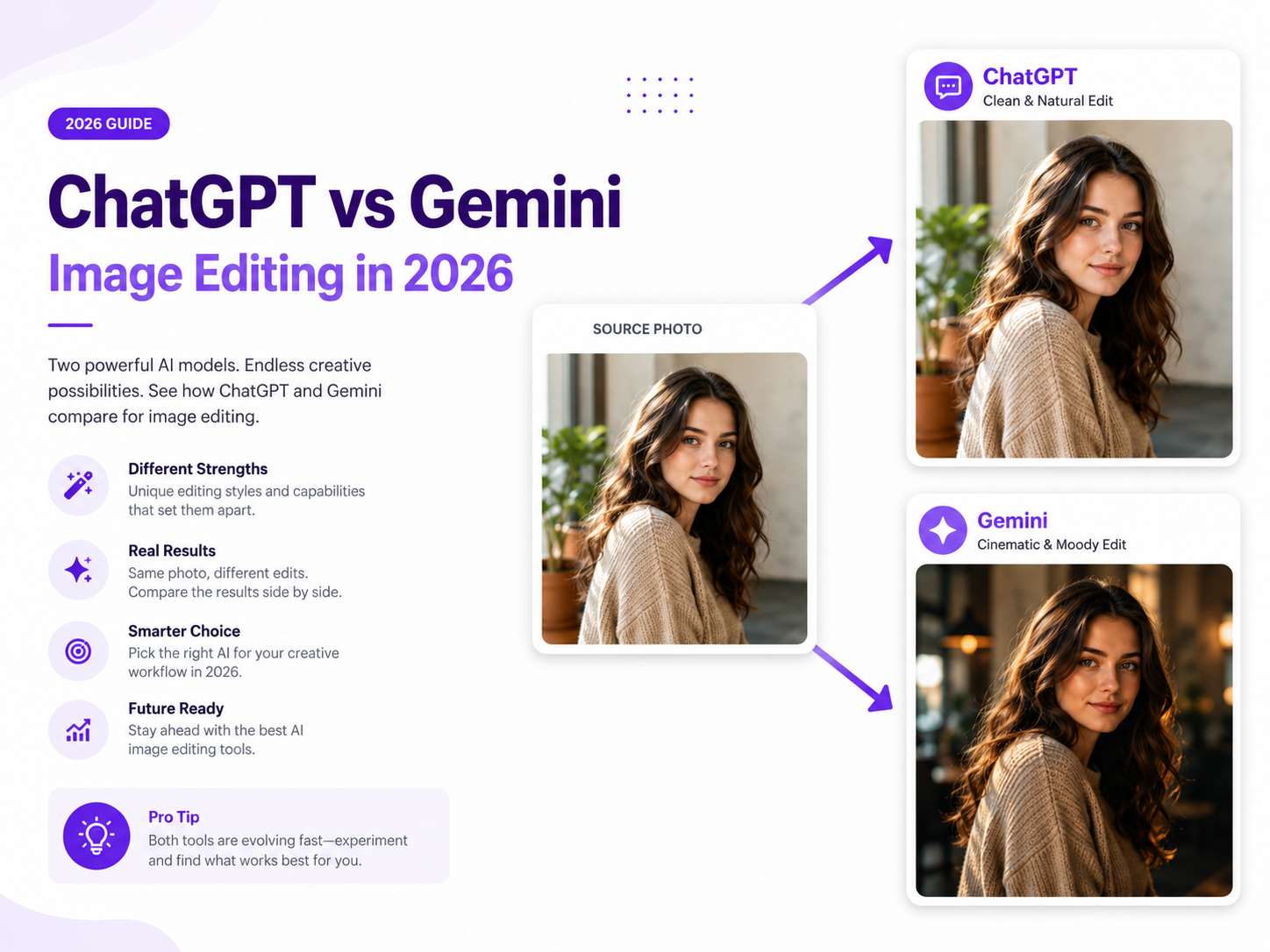
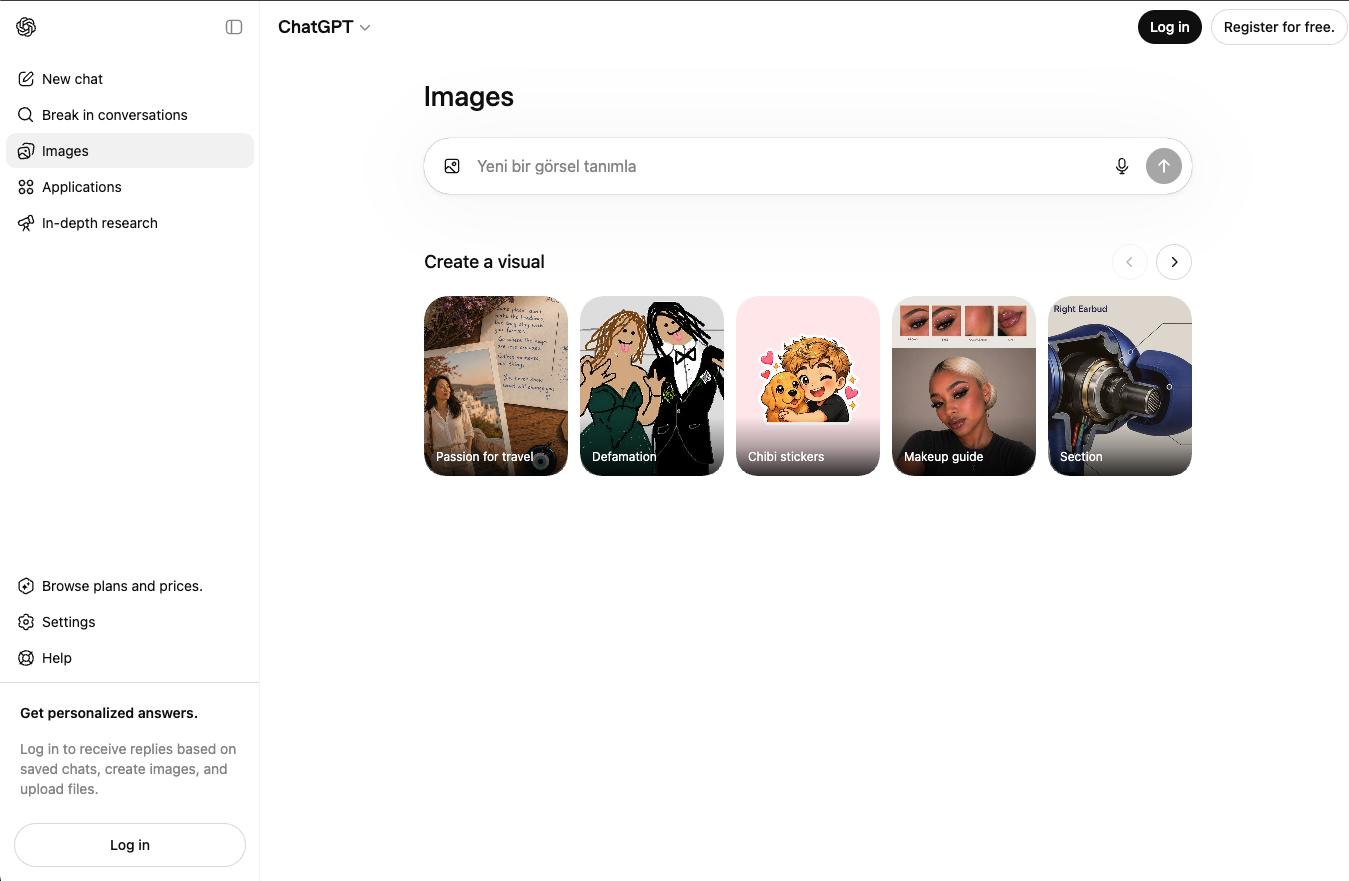
ChatGPT and Gemini have both evolved from text-based AI assistants into capable image-generation and photo-editing tools. You can upload an existing photo, describe what you want changed, and keep refining the result conversationally.
Both can edit images. The more useful question in 2026 is which one fits a particular job better: keeping the same face, combining multiple references, changing backgrounds, preserving products, adding text, making precise local changes, or iterating through a complex idea.
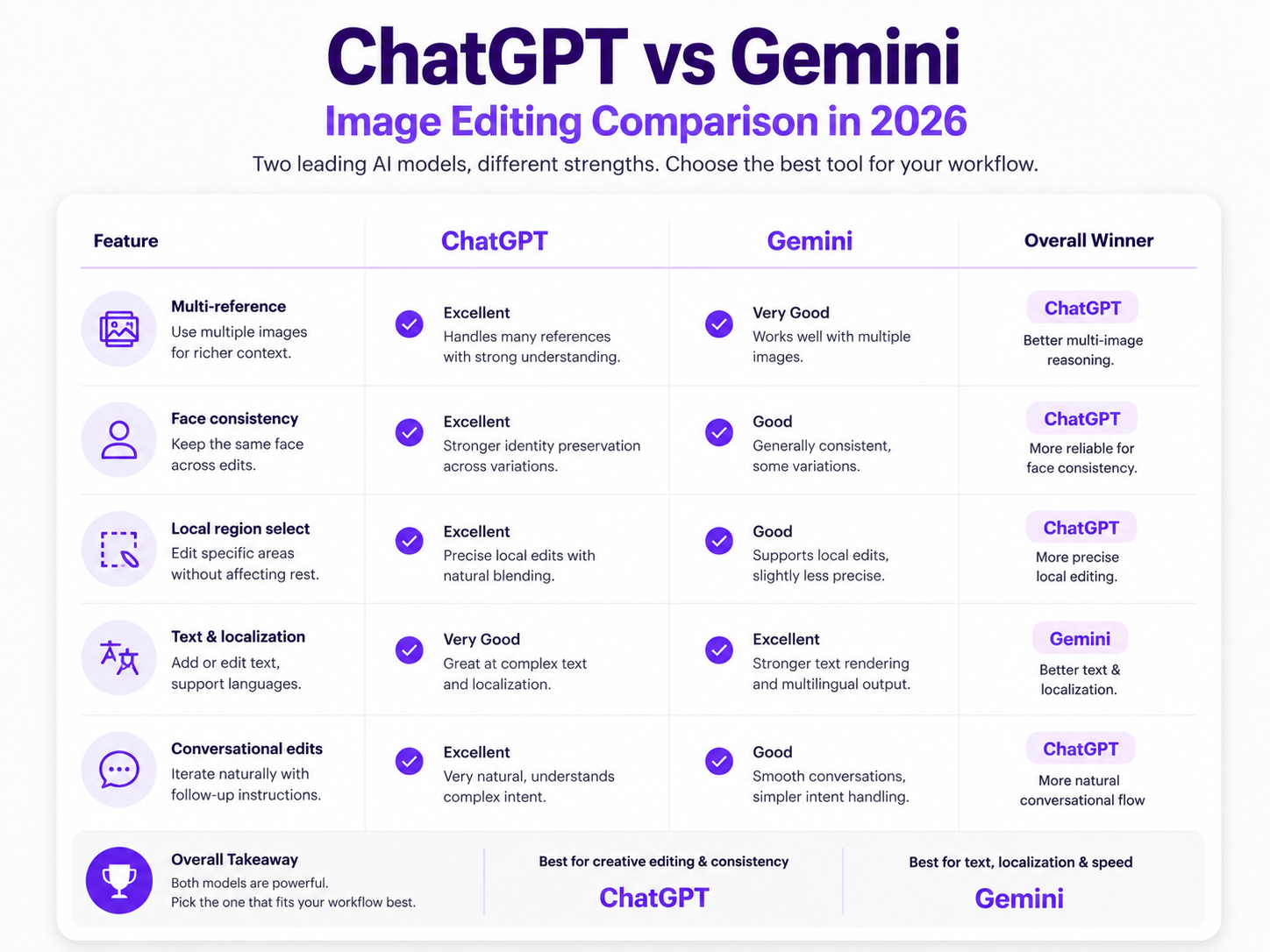
Gemini currently has a strong advantage for multi-reference workflows and subject consistency. ChatGPT provides a convenient conversational editing experience with direct image selection tools and flexible iterative refinement.
Quick Verdict
Choose Gemini when your workflow depends on several reference images, multiple recurring subjects, fast experimentation, or combining visual information from different sources.
Choose ChatGPT when you want to upload an image, explain an edit conversationally, select a particular region when needed, and keep refining the same image through natural-language instructions.
For straightforward background changes, object removal, clothing edits, lighting adjustments, and restyling, both are capable enough that the source image and prompt can matter as much as the platform.
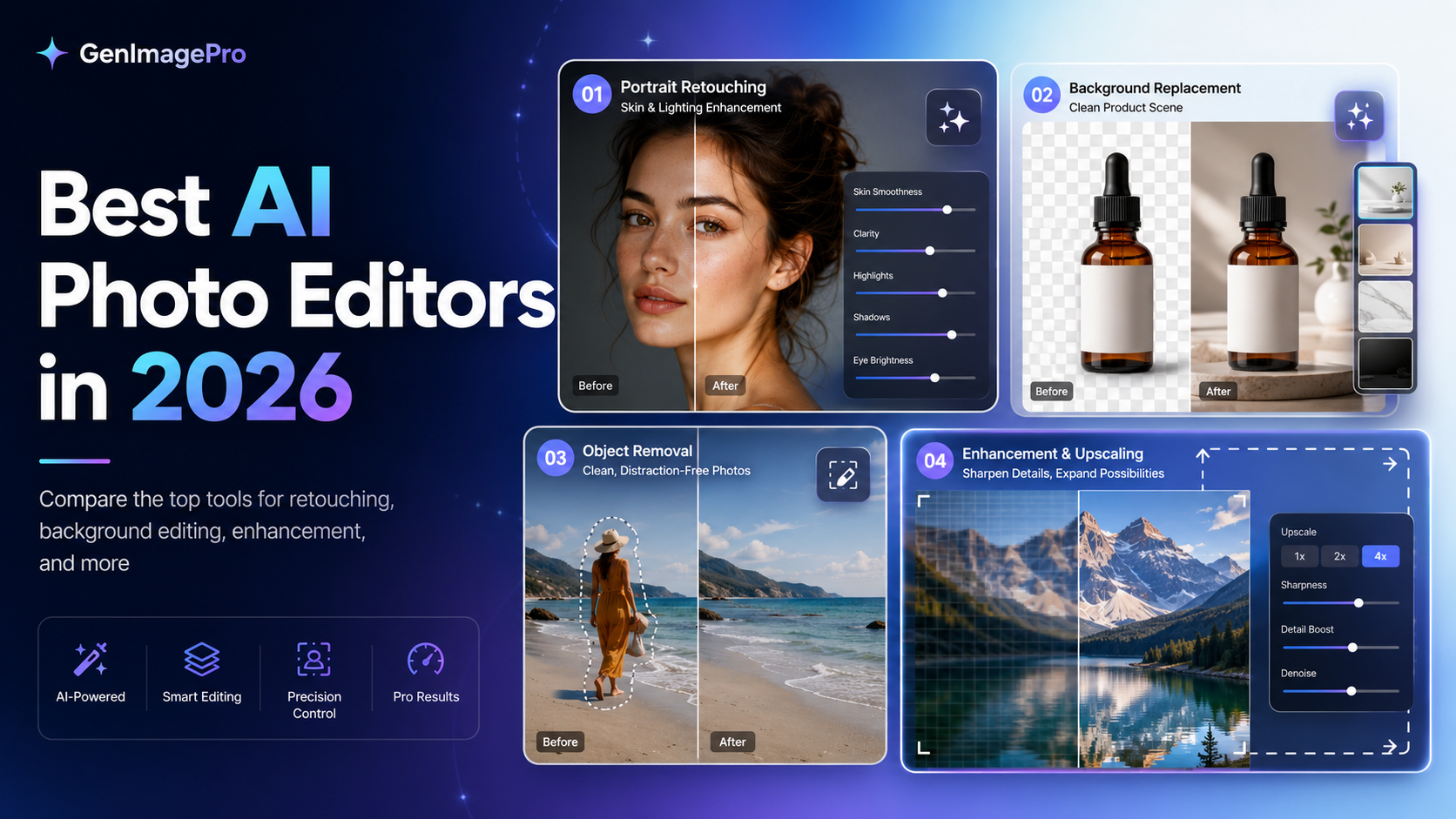
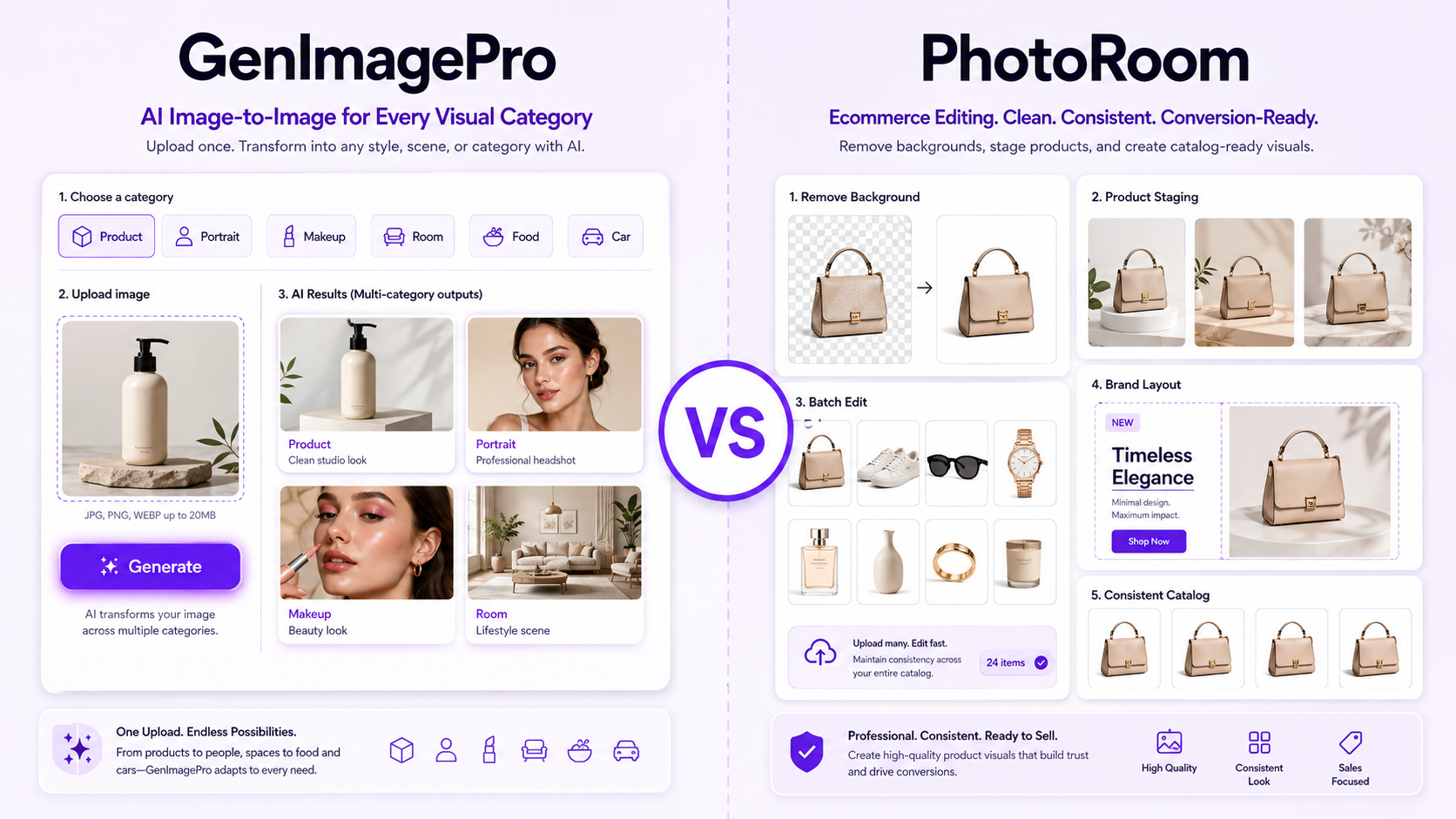
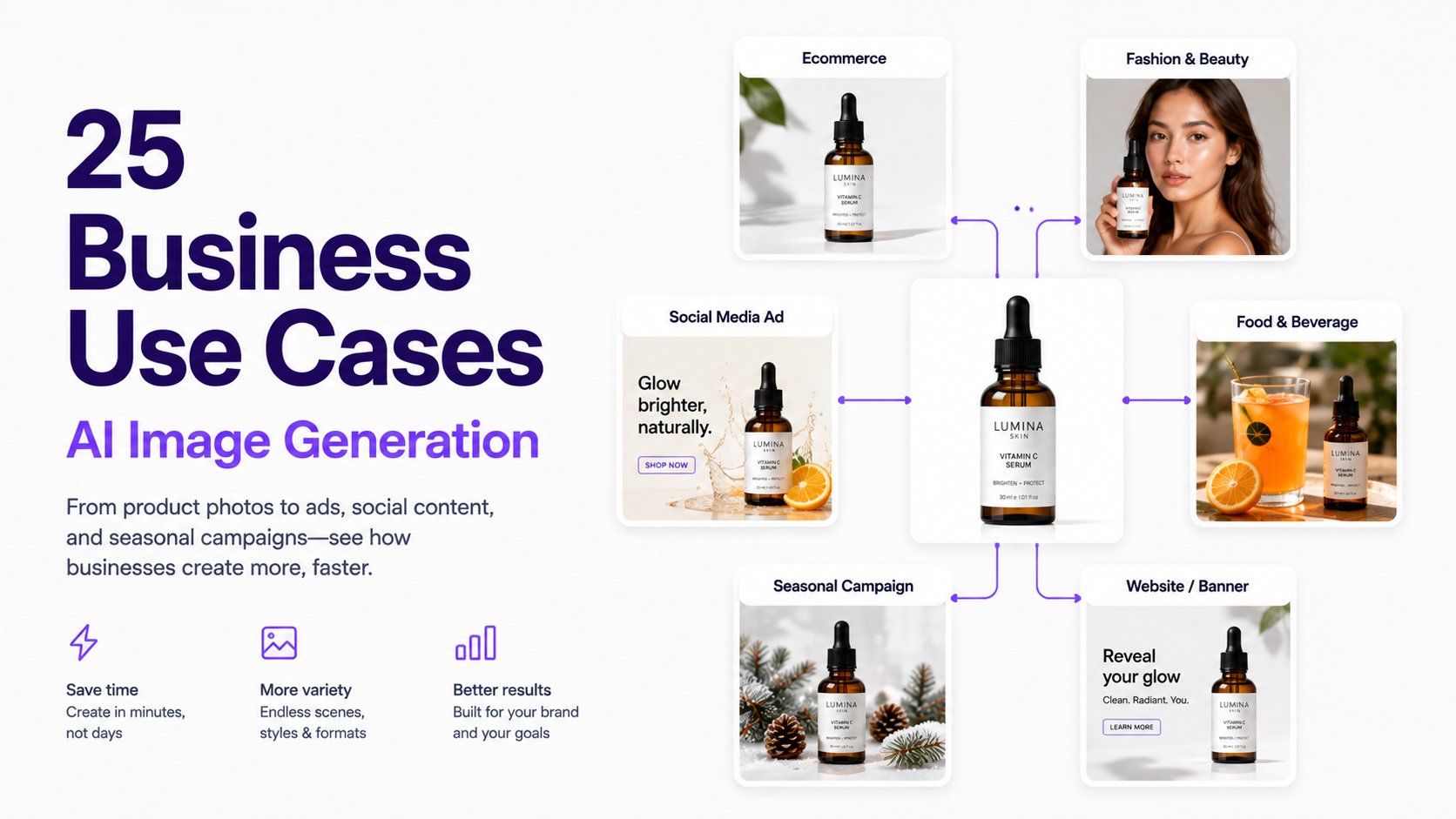
If you want a template-first image-to-image workflow instead of writing every edit in a chat, GenImagePro lets you upload a photo, pick a ready-made direction for products, portraits, backgrounds, beauty, fashion, and more, then generate variations while keeping important subject details.
What Models Are They Using in 2026?
ChatGPT uses ChatGPT Images 2.0 for generation and editing inside ChatGPT, with region selection and conversational refinement. Developers also have GPT-Image-2 via the OpenAI API. Gemini’s mainstream image model is Nano Banana 2 (Gemini 3.1 Flash Image), focused on subject consistency, instruction following, text rendering, multiple references, and fast iteration. Nano Banana Pro remains available for specialized high-fidelity use cases on supported plans.
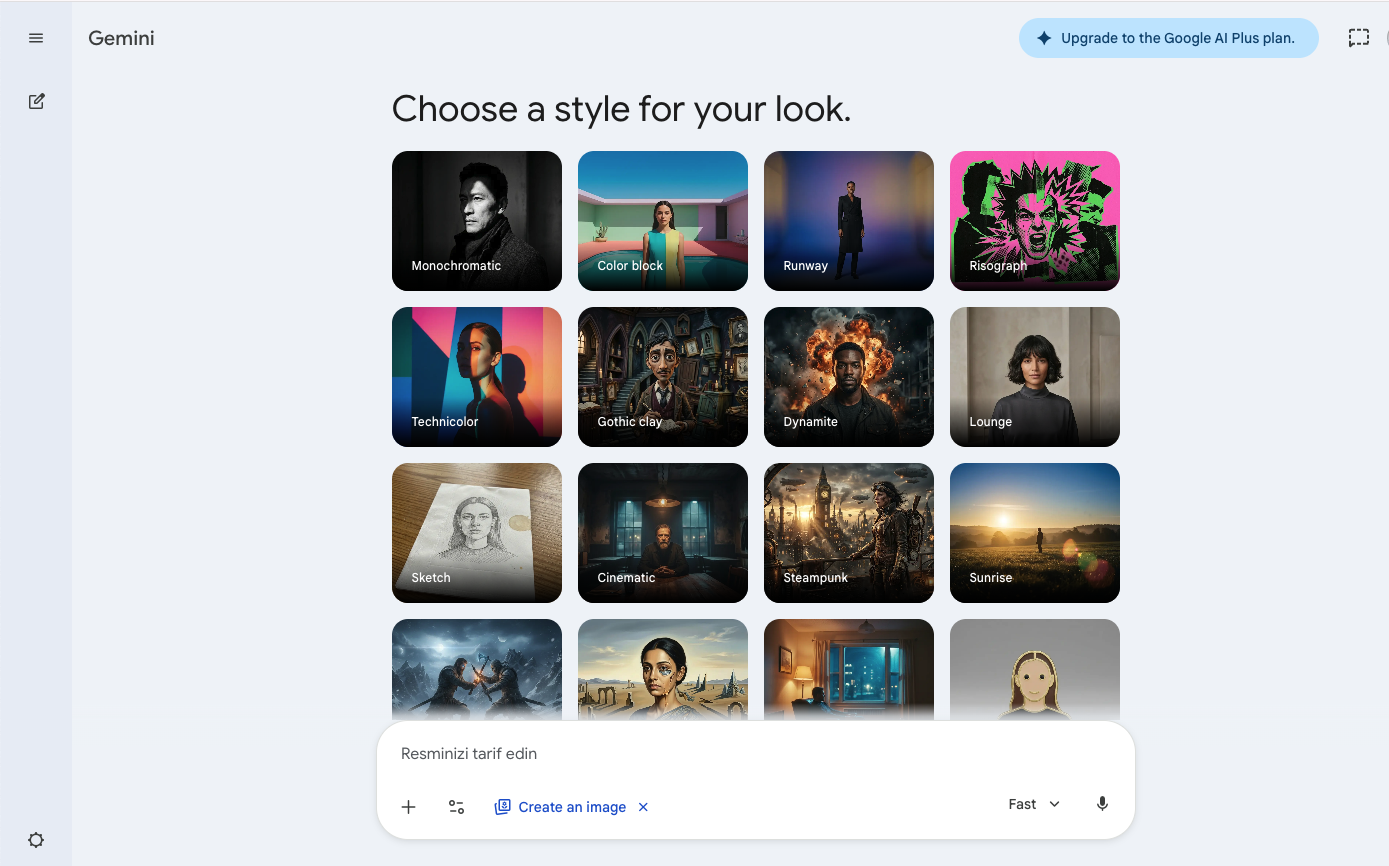
1. Face Consistency — Winner: Gemini
Gemini has a particularly strong position in character and subject consistency. Its current image models are designed to preserve recognizable people across clothing, poses, environments, lighting, and camera changes, and can use multiple character references when one portrait is not enough.
ChatGPT has also improved substantially at preserving likeness during controlled edits. It remains highly capable when the change is targeted rather than a full reconstruction. Gemini gets the edge for many independent generations of the same person or when several reference views are available.
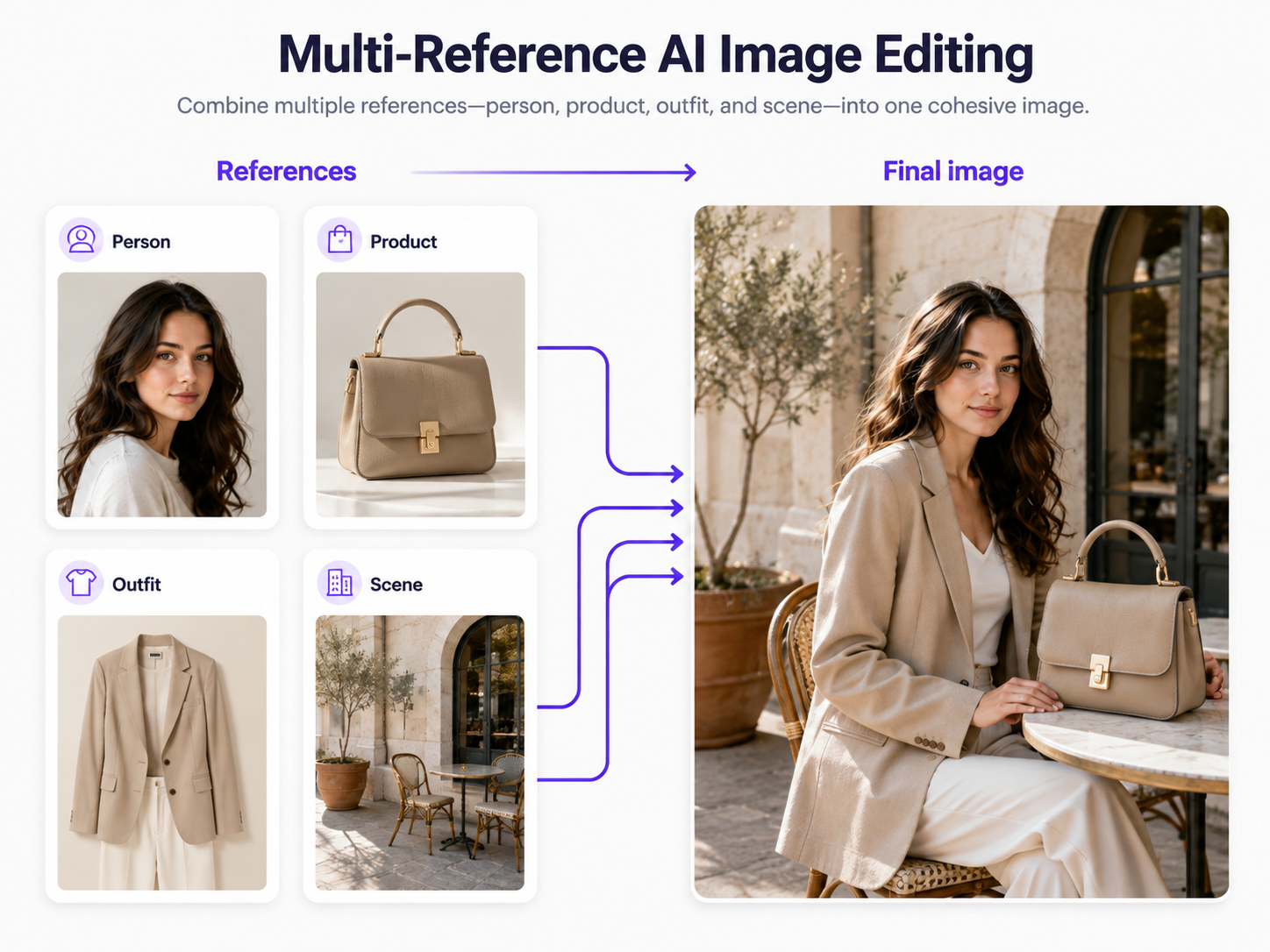
2. Multiple Reference Images — Winner: Gemini
This is one of Gemini’s clearest strengths. Current Gemini image models can combine large numbers of visual references—characters, products, objects, poses, and style guidance—in one workflow. ChatGPT can work with uploaded images, but Gemini exposes a more explicitly multi-reference-oriented system when many independent sources must stay consistent.
3. Precise Local Edits — Winner: ChatGPT
ChatGPT lets you select a region of an image and then describe the change—useful for removing an object, changing part of an outfit, or fixing one detail. Selections are not mathematically exact, so preservation instructions still matter. Gemini can also do precise element-level edits through language, but ChatGPT’s visible selection workflow is more convenient for spatially specific changes.
4. Complex Instructions — Winner: Tie
Both emphasize instruction following. A hard edit might preserve a person, replace an outfit, keep the pose, move outdoors, match afternoon light, leave text space, and hold the aspect ratio. ChatGPT is natural for this conversational style; Gemini 3.1 Flash Image also prioritizes precise adherence with image inputs and world knowledge. For this category, prompt quality and the specific task often decide the winner.
5. Product Photo Editing — Split Decision
Product edits fail when packaging, labels, logos, materials, or proportions drift. ChatGPT is convenient for keeping one product fixed while changing environment and lighting. Gemini is stronger for complex composites that combine a product with separate person, pose, environment, or creative references.
6. Backgrounds, Clothes, Hair & Makeup
Background replacement is a tie—both are strong; match perspective, scale, lighting, shadows, and depth of field. Clothing changes are a small Gemini edge when the outfit comes from another reference image; for a simple text-described wardrobe swap, both work well. Hair and makeup favor Gemini slightly for subject consistency across multiple variants; for one controlled portrait edit, the gap may be small.
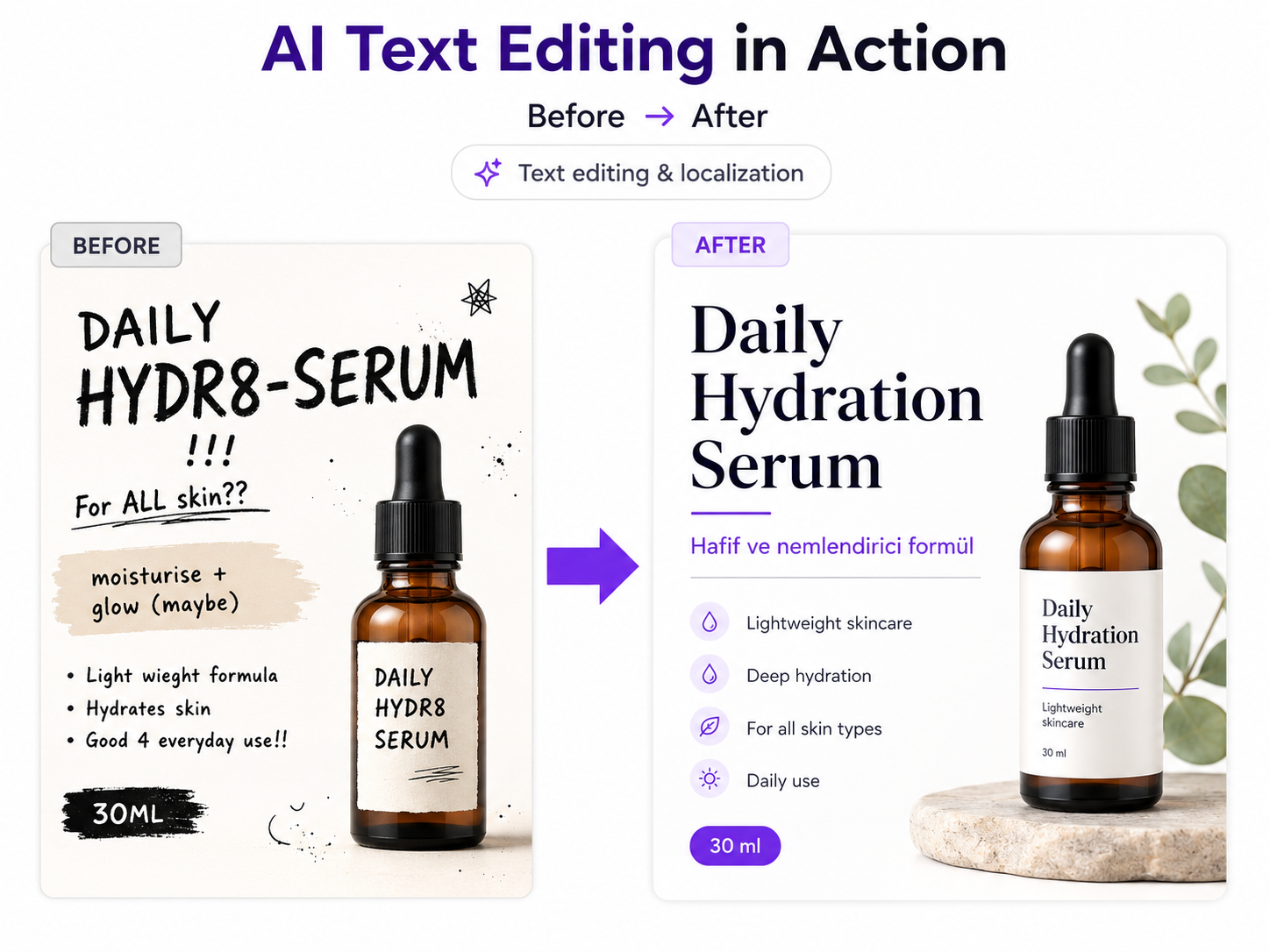
7. Text in Images — Winner: Gemini
Both can create and edit text inside images. Nano Banana 2 emphasizes precise text rendering and multilingual localization for mockups, labels, cards, and infographics. ChatGPT Images 2.0 also improved dense visual content and in-image text. Gemini gets the edge when typography and localization are central.
8. Iteration, Creativity & Photorealism — Mostly Tie
Both support multi-turn editing. ChatGPT’s region selection helps target the next fix; Gemini brings strong contextual visual consistency and Flash-speed iteration. Creative transformations and photorealism are close enough that aesthetics, the source photo, and the prompt often matter more than picking a universal winner.
Where Each Platform Wins
ChatGPT advantages: direct image selection, natural conversational refinement, strong general-purpose editing, and Images with thinking on supported plans. Gemini advantages: multiple reference images, character/subject consistency, Flash-level speed, text localization, and Search grounding in supported workflows.
Ecommerce and People Edits
For ecommerce, ChatGPT is practical for one-product background and campaign edits. Gemini is better when several product, model, pose, or scene references must combine. Always preserve packaging geometry, branding, labels, colors, and materials explicitly.
For people, Gemini has the edge for many independent versions of the same person or multi-character references. ChatGPT is convenient for a sequence of targeted edits on one portrait. In both cases, state that facial identity must stay unchanged.
What Both Still Get Wrong
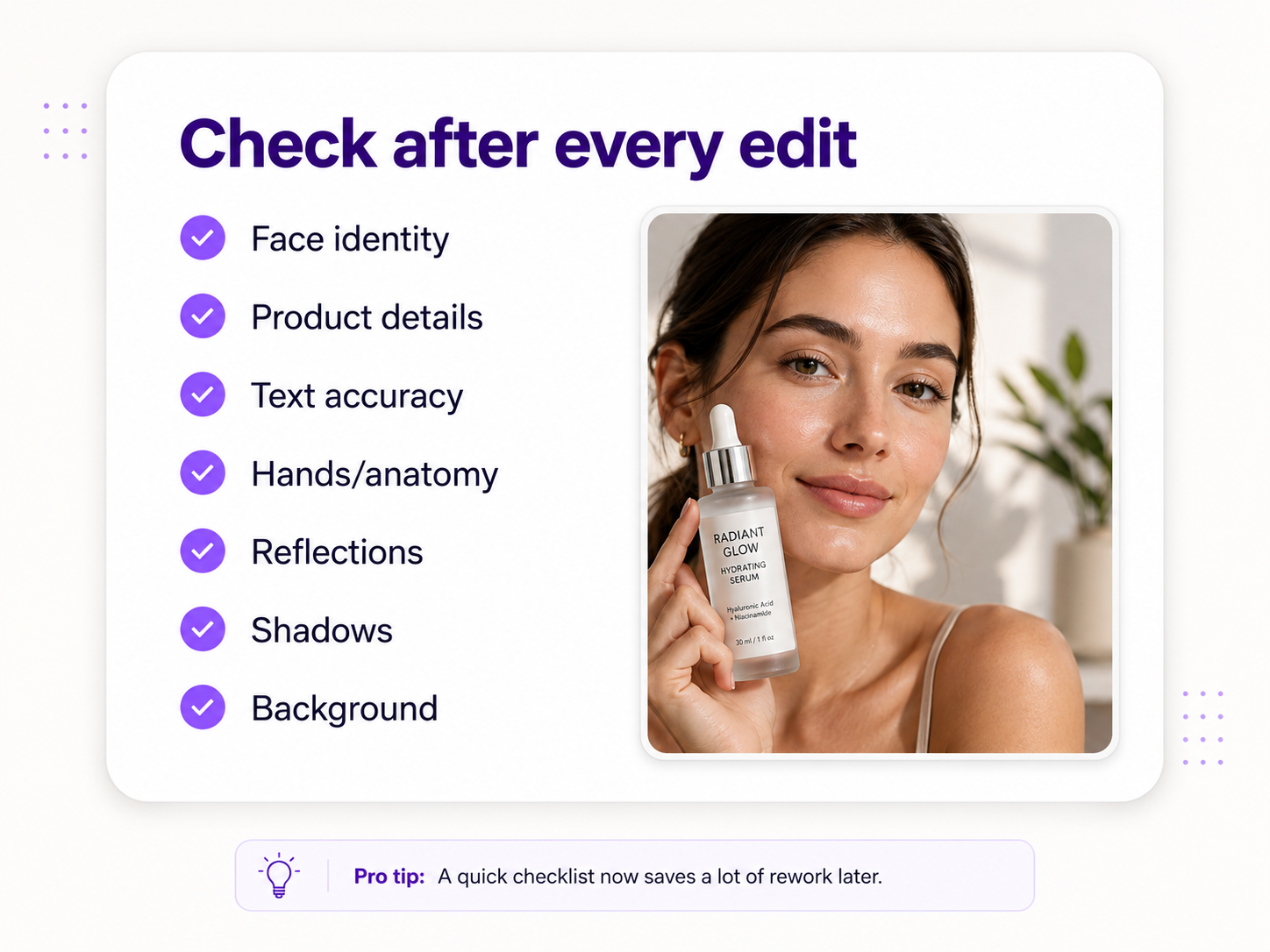
Edits can affect unrequested areas. Exact text can still fail. Product details can drift. Identity is not guaranteed under extreme pose, lighting, age, or style changes. Complex scenes accumulate small errors in hands, labels, reflections, and spatial relationships.
How to Get Better Results in Both
Lead with the action (replace, remove, recolor, relight, expand). Say what must stay unchanged. Use clear references and assign roles when you upload several. Make major changes incrementally. Refine the existing result instead of restarting. Inspect protected details after every edit.
Should You Use ChatGPT or Gemini?
Use Gemini for reference management, multi-character consistency, localization, and fast multi-input compositing. Use ChatGPT for conversational editing with region selection and successive refinements on one working image. For basic edits, the gap is smaller. Test the exact operation you need with the same person, product, references, and preservation requirements.
Prefer not to manage model choice and long chat prompts? GenImagePro is built for upload-and-transform workflows: start from a real photo, select a visual direction, and generate polished product, portrait, beauty, fashion, and background variations with explicit control over what must stay the same.
FAQ
Is ChatGPT or Gemini better for image editing?
It depends on the task. Gemini has a strong advantage for multi-reference workflows and subject consistency. ChatGPT is especially convenient for conversational editing with region selection. For common tasks such as background replacement, both are capable.
Is Gemini better than ChatGPT at keeping the same face?
Gemini currently has a strong advantage for repeated character-consistency workflows and multiple character references. ChatGPT is also capable of preserving likeness during controlled edits to an uploaded portrait.
Which is better for multiple reference images?
Gemini. Current Gemini image models can combine many visual references and support multiple character and object references for complex compositions.
Can ChatGPT and Gemini both edit existing photos?
Yes. Both support conversational image editing. ChatGPT also lets you select part of an image before requesting an edit.
Which is better for changing backgrounds?
Both are strong. For a simple single-image background change, there is no clear universal winner. Preserve the subject and match perspective, lighting, and shadows.
Which is better for product image editing?
ChatGPT is convenient for controlled edits to one source product. Gemini has an advantage when several independent product, person, object, pose, or scene references need to be combined. Always preserve packaging, branding, geometry, colors, and materials.
Which is better for adding text to images?
Both can generate and edit text inside images. Gemini’s Nano Banana 2 places particular emphasis on accurate text rendering, translation, and localization.
Which is better for local image edits?
ChatGPT has a practical advantage because its editor allows region selection before describing the change. Gemini can also perform specific element-level edits through natural language.
What model does Gemini use for image editing?
Google’s mainstream current image model is Nano Banana 2, officially Gemini 3.1 Flash Image. Nano Banana Pro remains available for supported high-fidelity workflows.
What model does ChatGPT use for images?
ChatGPT currently provides ChatGPT Images 2.0. For developers using the OpenAI API, GPT-Image-2 is OpenAI’s current state-of-the-art image generation and editing model.
Which is faster for AI image editing?
Gemini’s Nano Banana 2 is built on the Flash architecture for rapid iteration. Perceived speed still depends on the request, service load, plan, and image complexity.
Can both edit images through conversation?
Yes. Both support multi-turn editing, so you can make an initial change and continue refining with follow-up instructions.
What if I want image editing without choosing ChatGPT or Gemini?
GenImagePro offers a template-first image-to-image workflow. Upload a photo, choose a ready-made direction for products, portraits, backgrounds, beauty, fashion, and more, then generate variations while preserving important subject details.
Can GenImagePro edit existing photos?
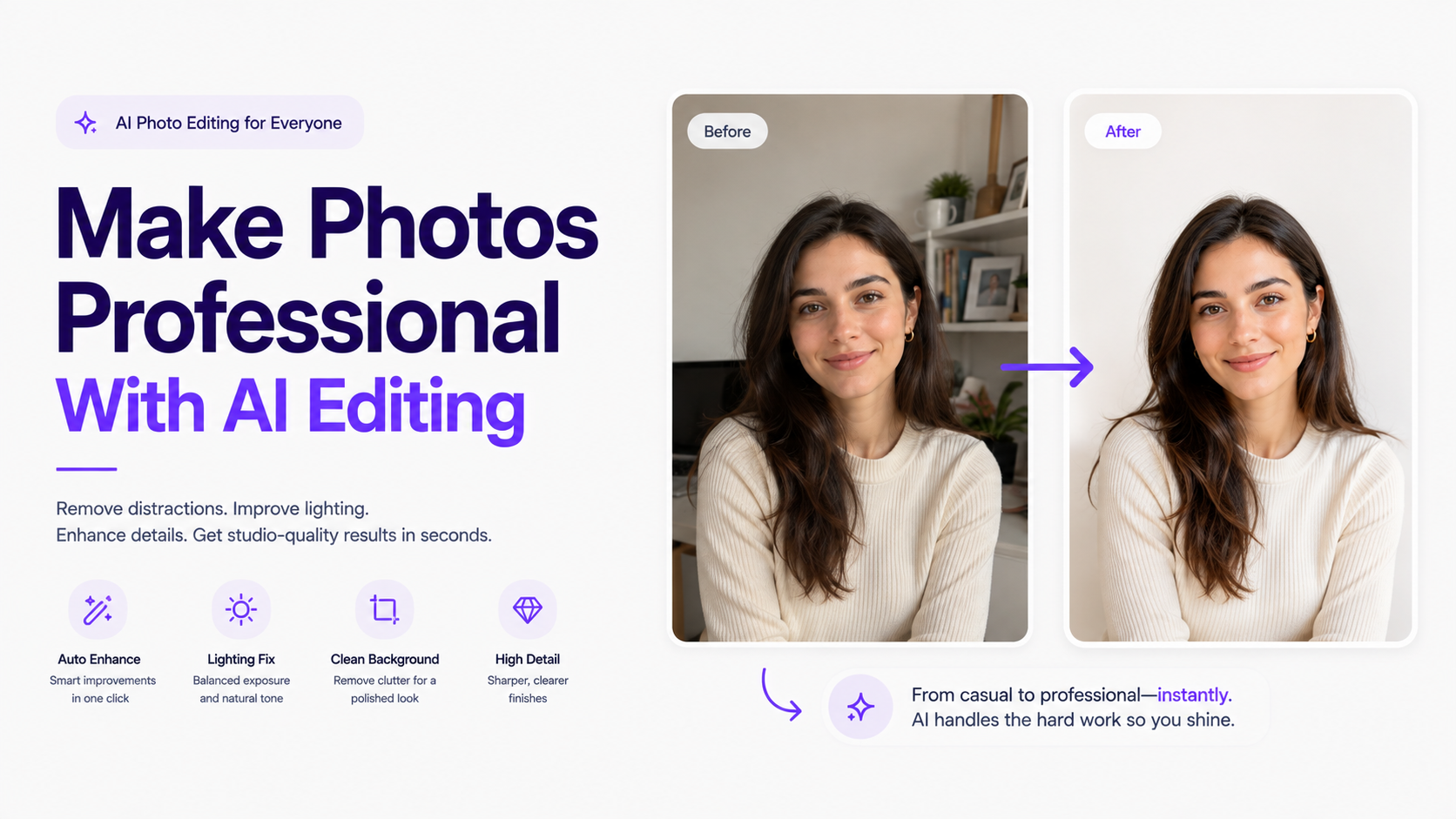
Yes. GenImagePro is designed for image-to-image editing: upload an existing photo and transform backgrounds, products, portraits, beauty looks, fashion, and campaign visuals from the same source.