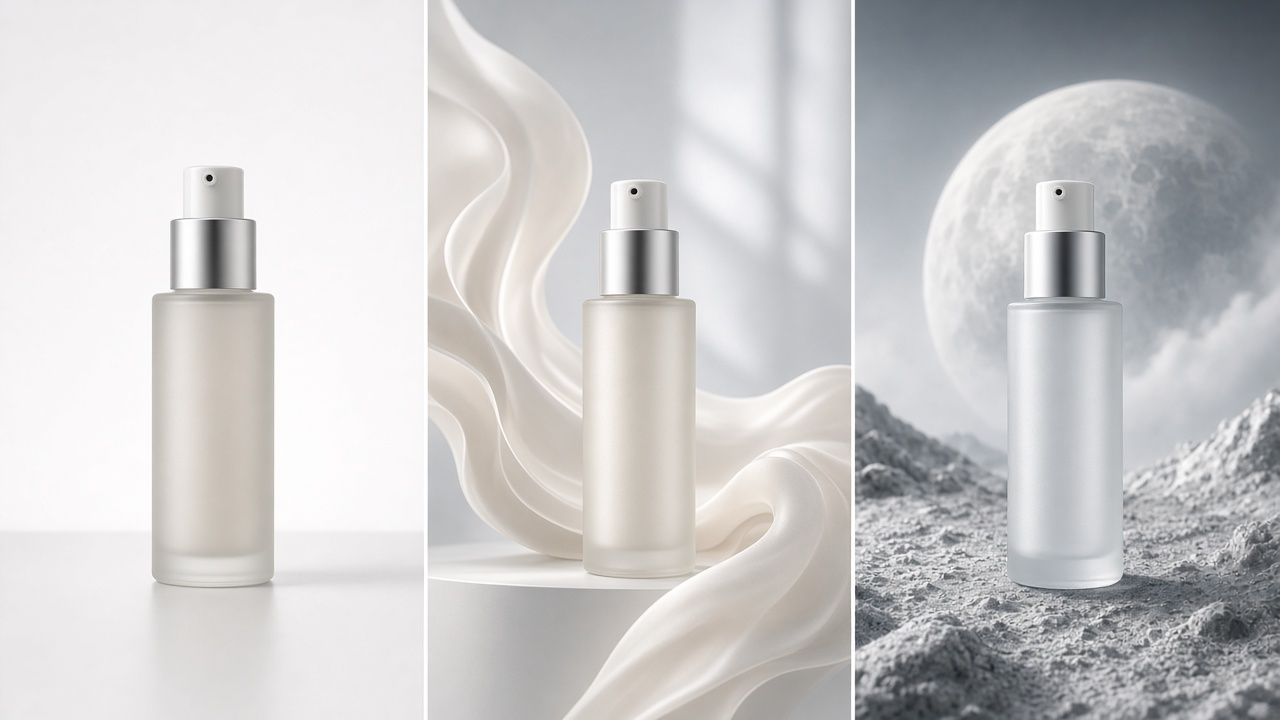
Ten versions of your ad count as one. That is a useful creative warning, not a literal rule from Meta. If ten ads show the same product, same claim, same angle and same composition—with only the background color swapped—you have produced ten files, but perhaps only one marketing idea.
Meanwhile, Meta keeps evolving the system that decides which eligible ads deserve further consideration for each person. For advertisers in the United States, the actionable question is not “How many variations can we generate?” It is “How many different reasons have we given someone to care?”
What Meta Andromeda actually changed
Andromeda is Meta’s AI-powered ads retrieval engine. Retrieval is the early selection stage: it identifies strong candidates from a very large eligible pool before later ranking systems choose which ads may ultimately appear. Meta introduced the architecture in 2024 and published a major update on October 28, 2026. The newer design uses specialized model experts, contextual signals and a more tightly integrated GPU pipeline to consider ads at far greater scale. Source: Meta Engineering on Andromeda (October 28, 2026)
In its October 2026 engineering account, Meta says the production pipeline can score over one billion eligible ads per second on a single GPU server and reports that Andromeda has contributed a 2.4% increase in Facebook conversions since 2025. Those are Meta-reported system-wide engineering and performance results; they are not a promise that a particular advertiser will see that lift. Source: Meta Engineering on Andromeda (October 28, 2026)
The point often missed in marketing commentary is that Andromeda is not a creative-grading tool that simply counts near-identical image files as one. Meta has not published an official “ten variations equal one ad” equivalence. Retrieval and later ranking are also different stages. The creative-diversity advice below is an operating recommendation informed by the changing system, not an exposed formula for how Meta classifies your assets.
Why a background-color change is usually not a new concept
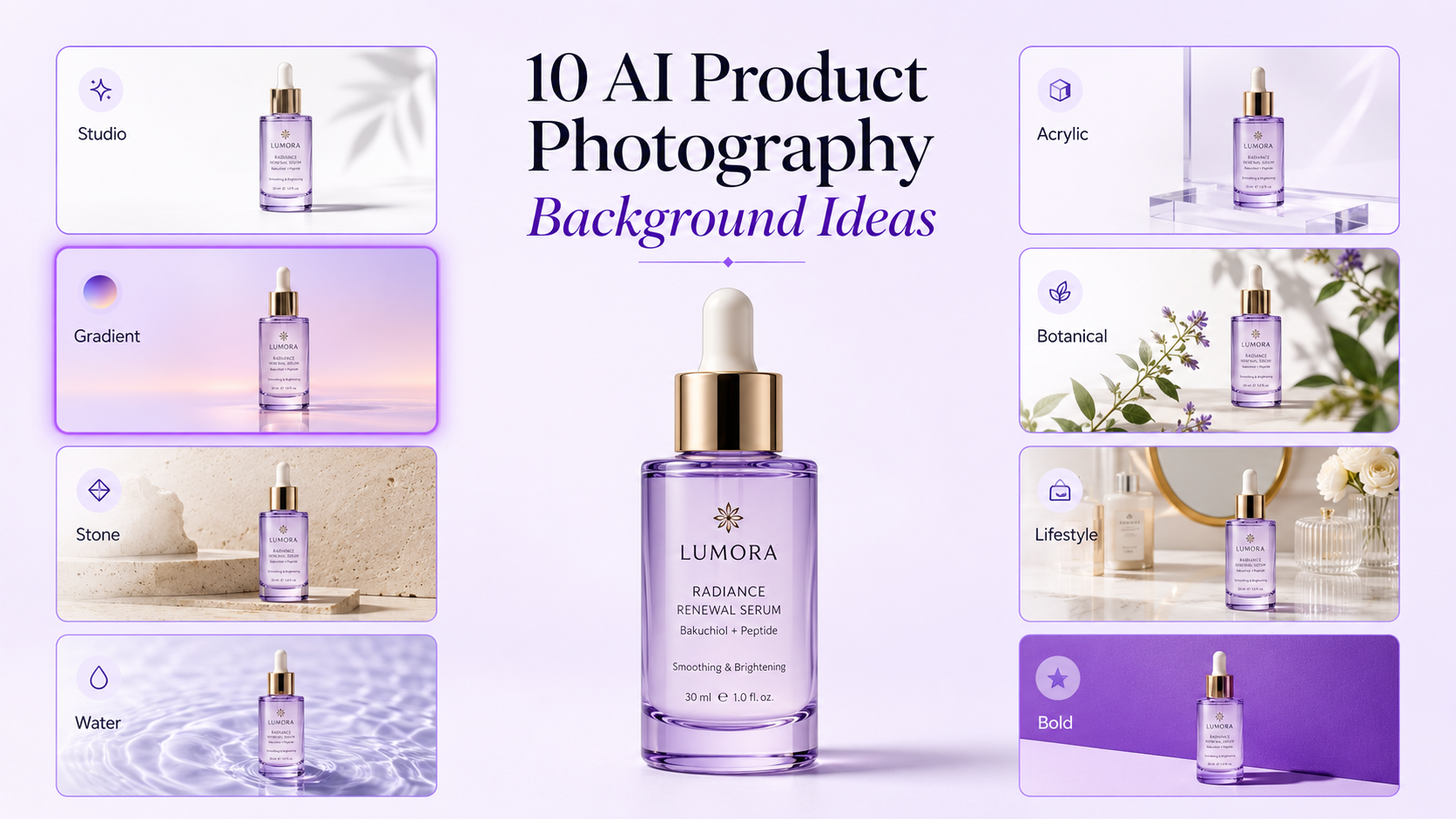
Consider ten ads for the same moisturizer: product centered, identical headline, same “hydrating skin” promise, same square crop. The backgrounds rotate from beige to pink to blue. Those might be valid aesthetic variants, but they test a narrow visual variable. They do not introduce a new audience, motivation, use case, proof point, narrative or creative format.
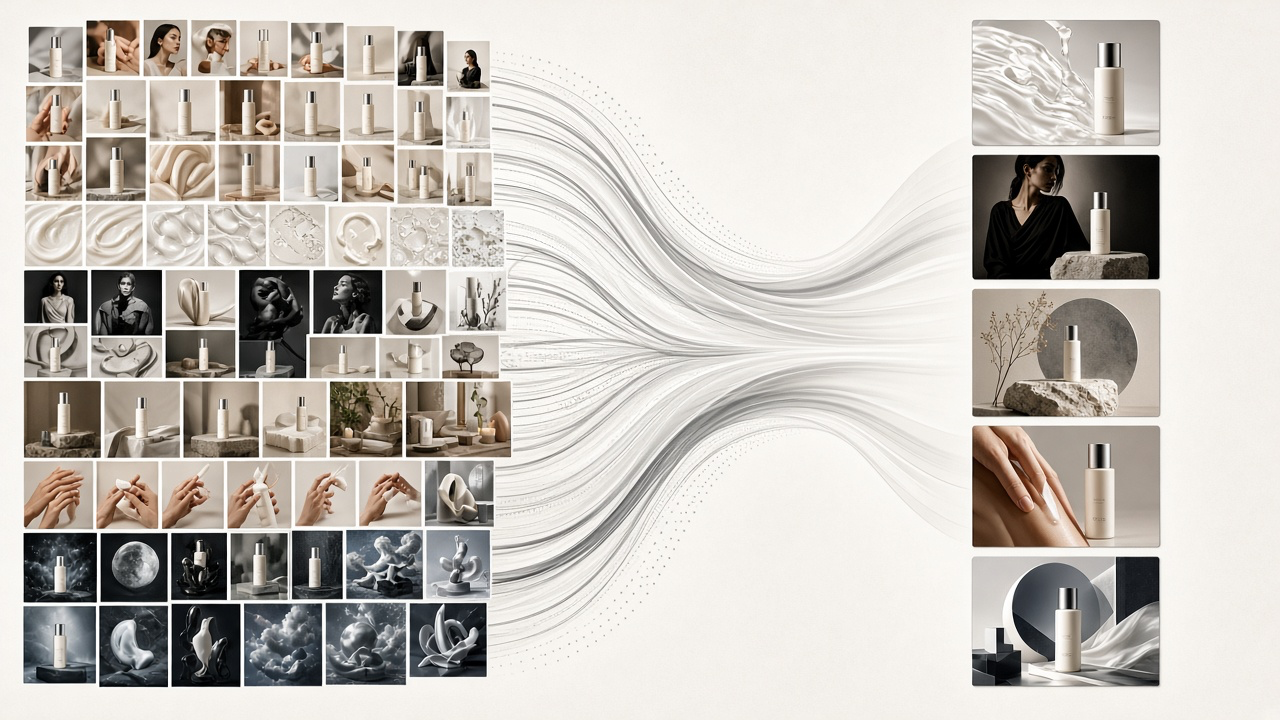
A meaningful concept changes the premise of the advertisement. A runner reaches for a practical post-workout routine. A close-up visual explains texture. A founder talks through an actual formulation decision. A premium editorial still sells aspiration. A how-to video answers a customer question. Each asks a different kind of person to pay attention for a different reason.
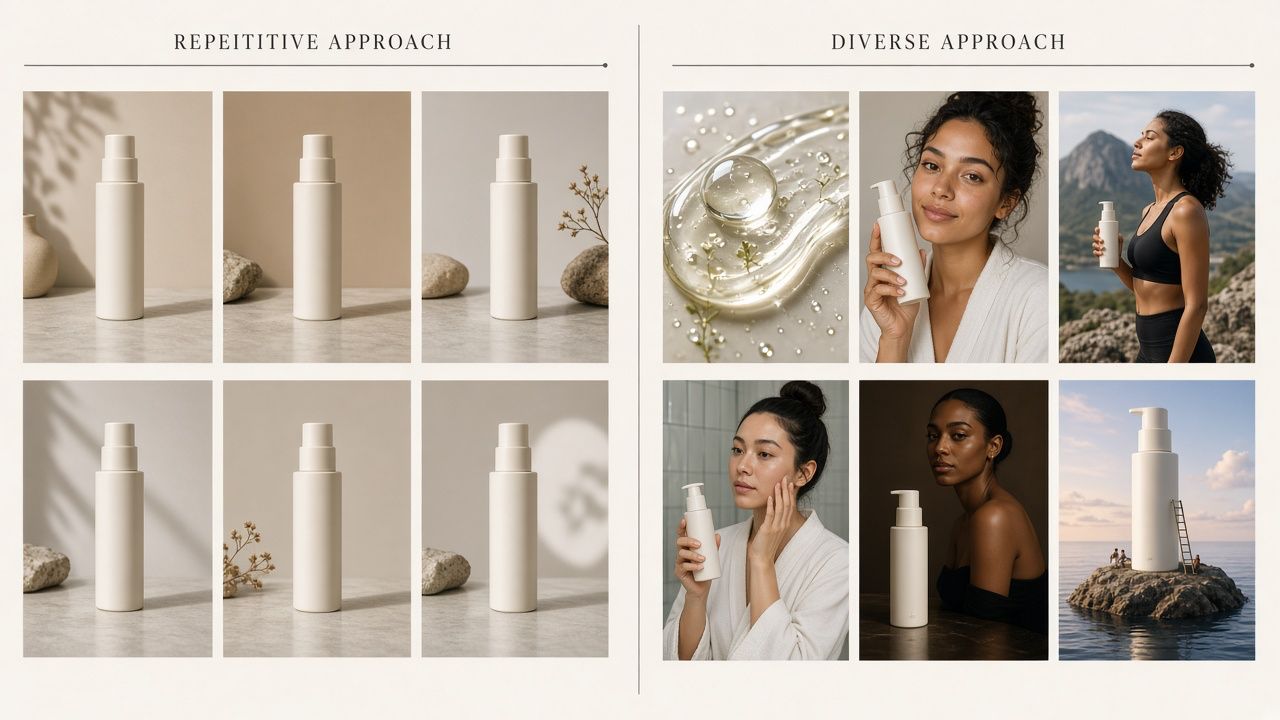
| Change | Mostly executional variation | Meaningful concept shift |
|---|---|---|
| Background | Beige studio becomes pastel blue studio | Clinical ingredient lab becomes relatable morning routine |
| Person | Same model, different shirt | Different audience and situation: runner, parent, stylist |
| Camera | Centered bottle becomes slightly larger | Macro proof demonstration versus human-first testimonial |
| Copy | “Shop now” becomes “Discover more” | Problem-solution hook becomes a product education story |
| Format | One static crop becomes another static crop | Static editorial versus authentic tutorial or short-form demonstration |
| Offer | Same product and promise, new badge color | A genuinely distinct bundle or use-case offer, accurately represented |
A practical classification for creative planning—not a published Meta policy.
Five different concepts from one product
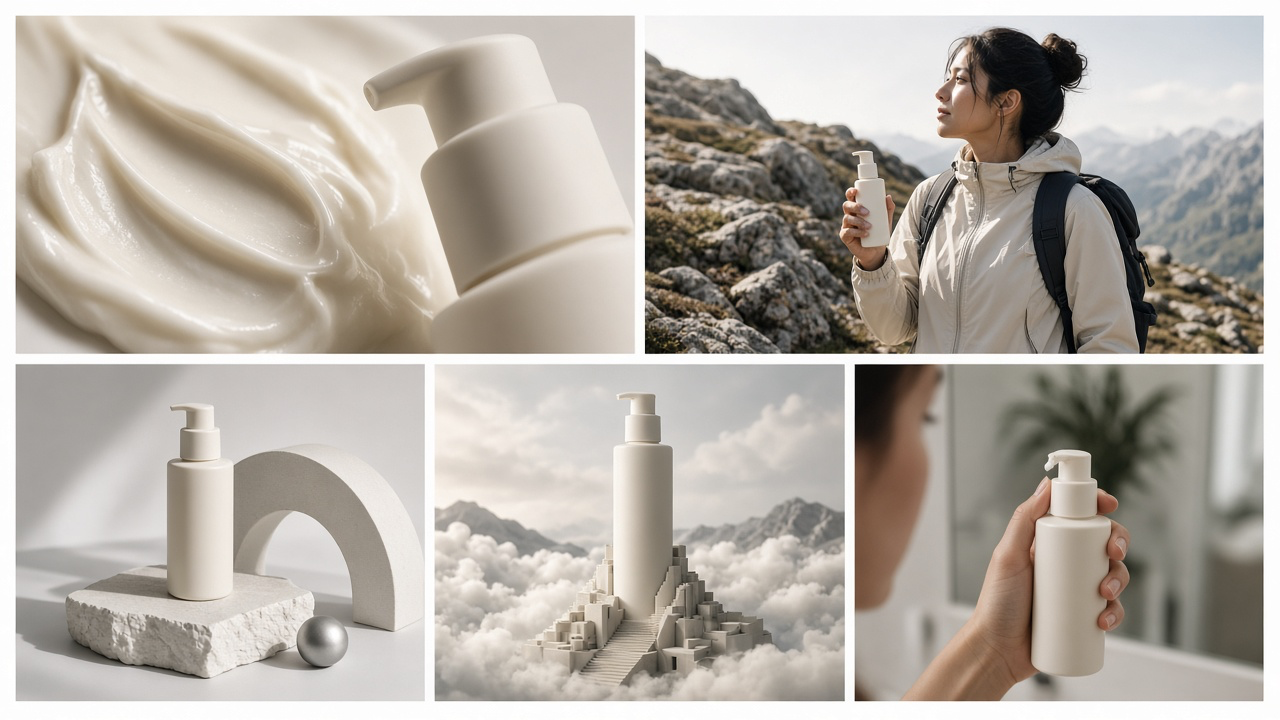
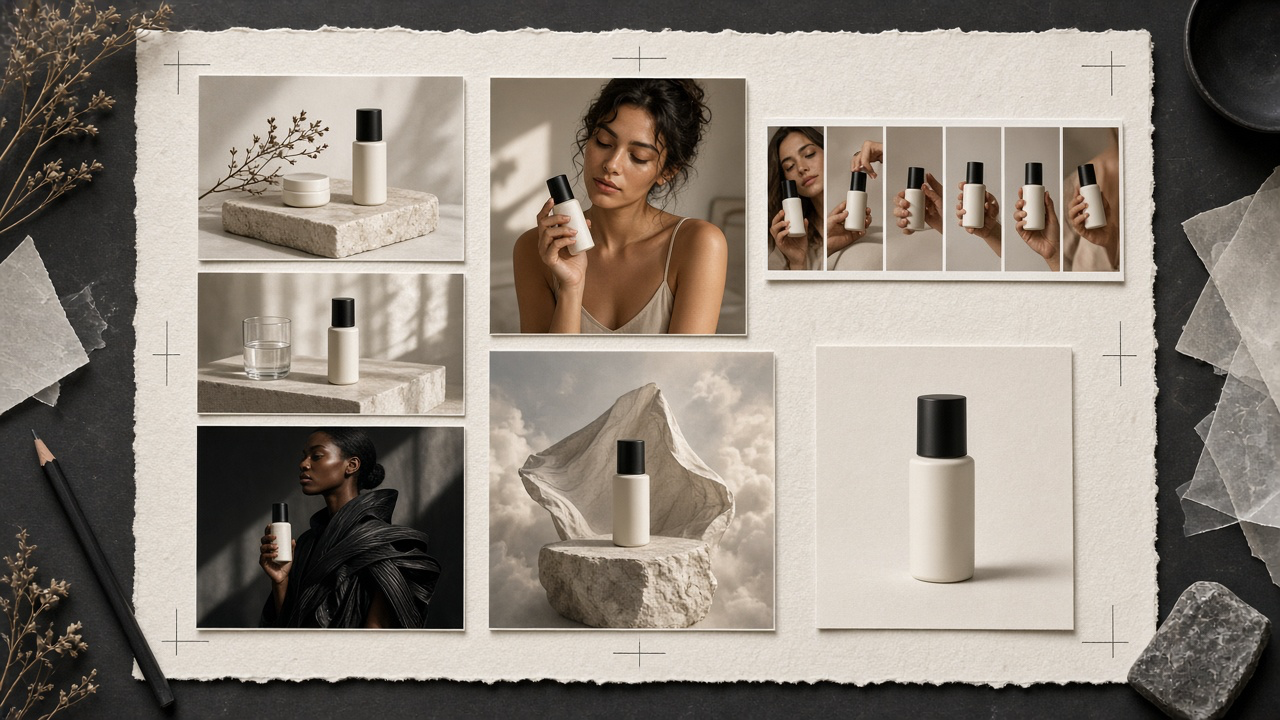
Imagine a premium, unbranded facial moisturizer. Here are five concepts to create and test. The product details, packaging and benefits must stay faithful to reality; the creative environment can change radically.
1. The texture story
Extreme macro of the real cream and dispensing mechanism. The hook is a sensory, inspectable product detail, not a fabricated laboratory claim.

2. The post-workout reset
An active adult in a recognizably practical moment. The hook is a relatable routine and setting.

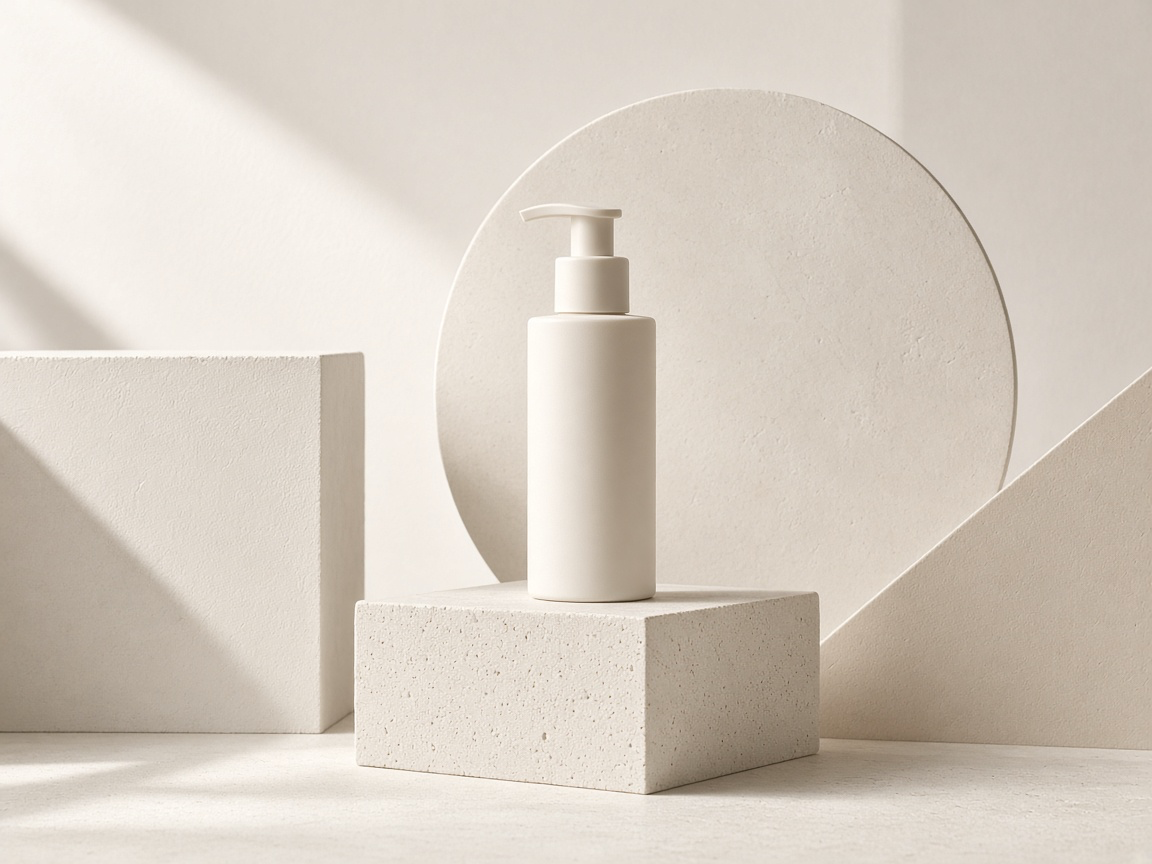
3. The design-object campaign
Sculptural product photography where materials, light and visual taste communicate a premium identity.
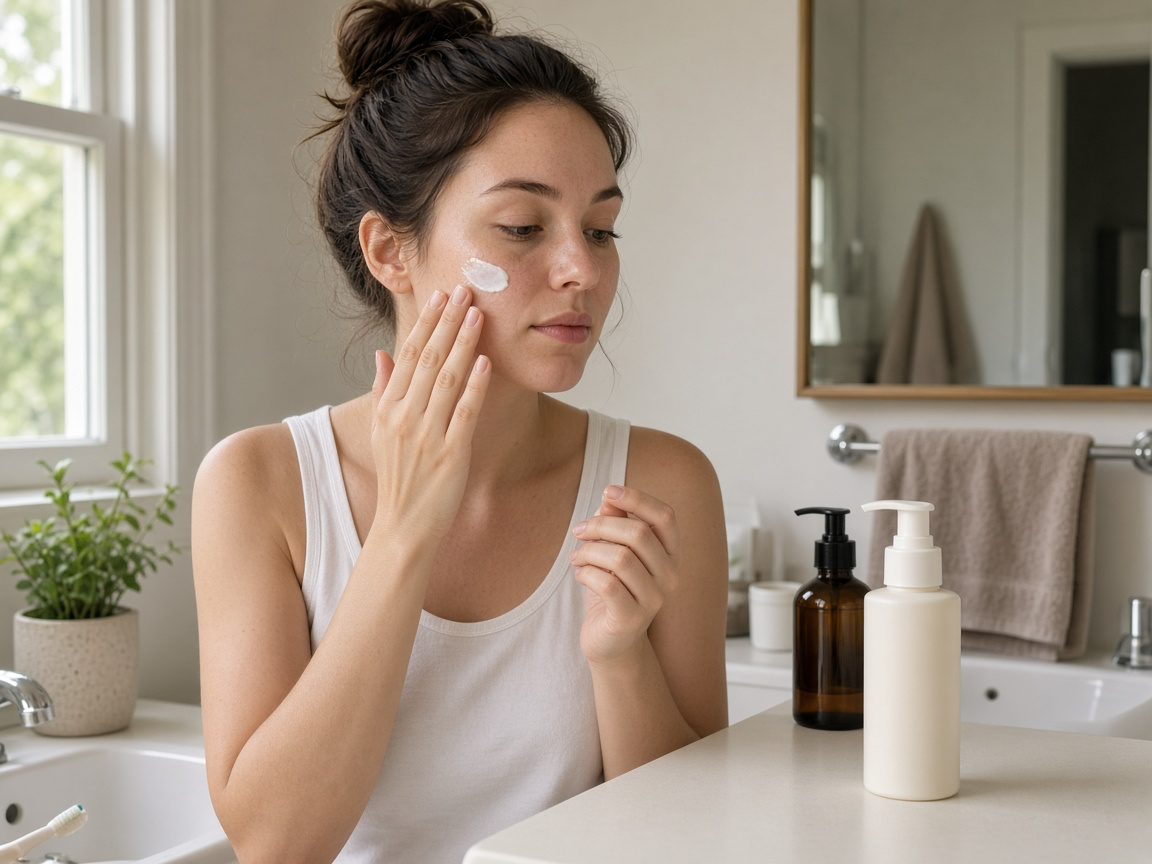
4. The morning ritual
A practical how-to with multiple planned shots. The hook is usefulness rather than pure aesthetics.
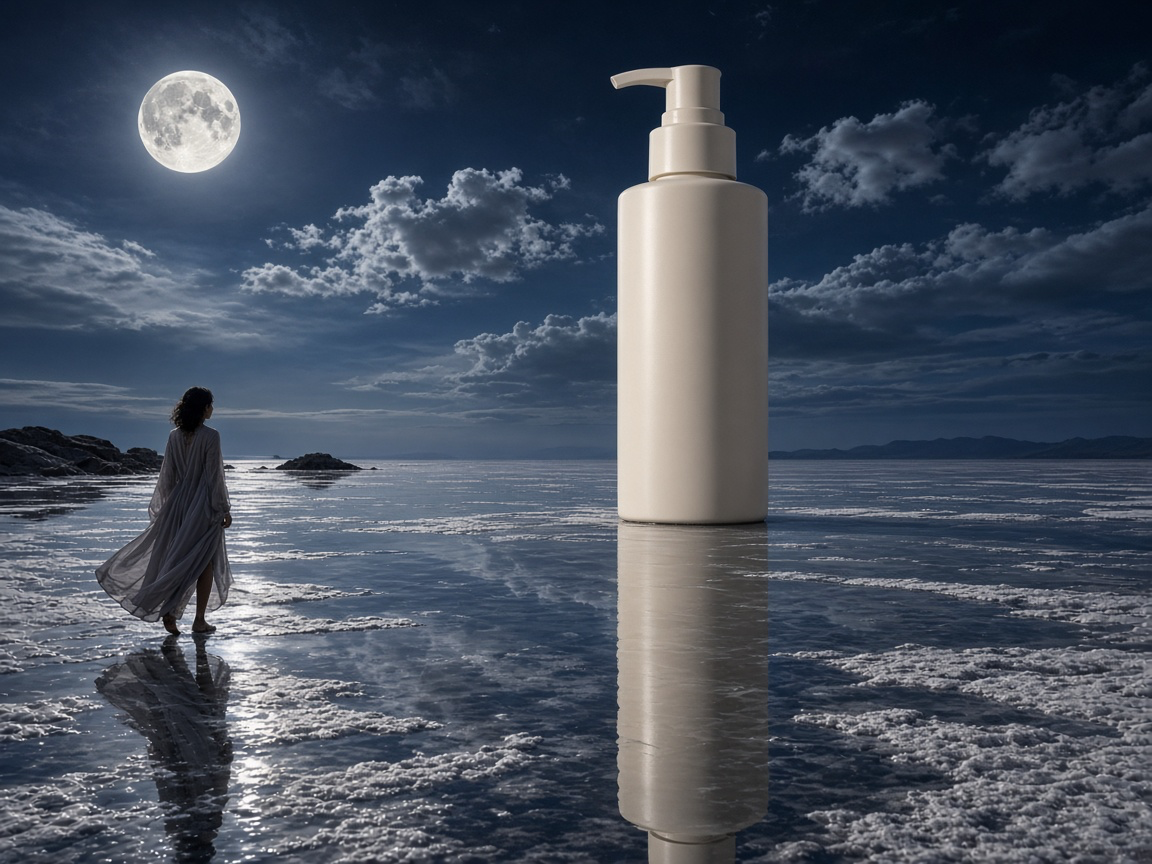
5. The surreal campaign world
A deliberately fictional environment that is distinctive without inventing product performance.
A concept matrix you can use for your next Meta campaign
Start by writing creative briefs before generating any files. A brief should name one target context, one customer tension, one central promise grounded in the real product, one visual mechanism and one format. Change at least two meaningful creative dimensions between briefs before making small aesthetic iterations within each concept.
| Concept | Audience moment | Visual mechanic | Format | First question to test |
|---|---|---|---|---|
| Texture proof | Detail-oriented shopper | Macro product detail | 4:5 still / 9:16 video | Does tangible detail build interest? |
| Post-workout ritual | Active lifestyle | Human-in-context scene | 9:16 short video | Does relevance beat studio polish? |
| Premium still life | Design-led shopper | Sculptural editorial | 1:1 or 4:5 still | Does premium framing increase intent? |
| Morning tutorial | Routine-driven buyer | Step-by-step real use | 9:16 tutorial | Does education answer objections? |
| Surreal concept | Discovery audience | Unexpected imagined world | 4:5 still / 9:16 video | Does novelty earn attention? |
Illustrative planning framework. Test volume and budget depend on campaign scale; no fixed number is required by Meta.
How to create genuinely different campaigns with AI
A seven-step workflow for concept-led production
Lock the product reference
Choose accurate source photos and identify non-negotiable details: shape, packaging, colors, material, labeling, proportions and any regulated or substantiated claims.
Write five distinct briefs
Choose different customers, situations, hooks, visual narratives and formats. A new concept should be understandable as a new idea even when reduced to a one-sentence storyboard.
Generate one strong visual per concept
Use GenImagePro to explore premium product scenes, fashion or lifestyle creative and other campaign worlds. Keep real product details faithful and iterate on direction, not only decoration.
Expand the concepts that warrant exploration
For a strong idea, try useful supporting shots: macro detail, wide context, human interaction and video storyboard. These are executions within a concept—not automatically four different concepts.
Prepare channel-specific formats
Design mobile-first 9:16 sequences alongside square and portrait stills. Do not just stretch a horizontal image into vertical; recompose it with a new shot plan.
Review truthfulness and quality
Check product fidelity, human anatomy, fake endorsements, unsupported claims and real-world context before publishing. AI-generated content needs the same quality control as any commercial creative.
Run structured experiments
Compare concepts using outcomes that matter: spend, impressions, hook retention where available, click-through rate, conversion rate, cost per acquisition and creative fatigue. Avoid attributing performance to Andromeda without controlled evidence.
What to measure instead of counting files
Upload count alone is a production metric, not proof of useful diversity. In a test, label each asset by concept, hook, scene, format and audience moment. Compare results within consistent campaign conditions where practical. Allow adequate delivery and avoid deciding that an unserved ad “failed”; low delivery is not the same as demonstrated poor conversion. Results can be influenced by bidding, targeting, placements, attribution windows, budget and timing—not only artwork.
A practical creative dashboard can report distinct concepts launched, concept-to-variant ratio, spend by concept, qualified clicks, conversion outcomes and which insights inform the next generation. There is no universally correct number of concepts or ad variations to launch at once.
Where GenImagePro fits
GenImagePro is an AI visual creation platform for developing images and videos across product, ecommerce, fashion and marketing workflows. Its value here is not generating one hundred near-identical backgrounds. It is helping a creative team explore different campaign worlds from the same real product: a studio look, a human lifestyle moment, a premium editorial concept, an educational sequence and a distinctive imaginative scene. For the trust side of AI ads, see why people hate AI ads.
Use the platform for ideation and production, then apply human judgment to concept selection, product fidelity and ad claims. More creative possibilities are useful only when the resulting ads communicate genuinely different ideas.
Meta Andromeda and creative diversity: FAQs
Does Meta Andromeda count ten similar ads as one?
No public Meta documentation establishes that exact rule. “Ten versions count as one” is a metaphor for weak concept diversity, not a literal ad-counting mechanism.
What is Meta Andromeda?
Andromeda is Meta’s personalized ads retrieval engine. It selects strong eligible ad candidates for later ranking stages; it is not the entire ad auction or a standalone creative score.
What changed with Andromeda in 2026?
Meta described a more advanced retrieval architecture using specialized experts and a fused GPU pipeline. Meta reports throughput above one billion candidate ads per second on a single GPU server in production and a 2.4% conversion increase on Facebook since 2025 across its deployment.
Is changing a background color enough for a new ad concept?
Usually not. It can be a valid design variant, but a concept typically changes the story, target moment, customer motivation, claim, demonstration or creative format.
How many different creatives should a Meta campaign use?
There is no universal Andromeda-mandated number. Choose a testable set of distinctive concepts appropriate to your budget, audience and learning goals, then iterate based on real outcomes.
Can AI-generated ads perform well with Meta Andromeda?
They can, but their results depend on relevance, product accuracy, message, creative execution and broader campaign settings. Meta system-wide findings should not be interpreted as guaranteed results for an individual AI ad.
Can GenImagePro help produce concepts rather than mere variations?
Yes. Use a consistent real product reference while generating distinct scenes, settings, human contexts and visual formats. Review all outputs before publishing and avoid inaccurate product depictions.
Sources and further reading
Meta Engineering, October 28, 2026