Two thousand views. Zero sales. You refresh the dashboard, cut the price, swap the main image, and still sit at zero. Ask the boring question first: 2,000 views of what?
On Shopify and eBay those words hide different events. An impression means the listing showed up. A listing view means someone opened it. A session is a stretch of store activity—not 2,000 unique buyers with money out. A cart that dies on $14.95 shipping is a different failure from a thumbnail nobody clicks.
What “2,000 views” usually means
Shopify’s online-store conversion rate is completed-checkout sessions divided by sessions. The same analytics surface also tracks product views, add-to-cart, checkout and purchase. eBay’s traffic reports split listing impressions, listing views and sales conversion. Treat those as separate instruments.
| Metric | What happened | What it does not prove |
|---|---|---|
| Marketplace impressions | Your listing appeared on a page or in a feed | Someone opened it or seriously considered buying |
| eBay listing views | A View Item page was accessed | Each view came from a different person ready to purchase |
| Shopify pageviews | A page was loaded or viewed | 2,000 unique, purchase-ready shoppers arrived |
| Shopify sessions | A period of store activity was recorded | All traffic is equally qualified or every session will buy |
| Add-to-cart sessions | A shopper showed stronger interest | The total price, shipping or checkout will work |
Labels differ by platform. Match the exact report name and date range.
In September 2026 Shopify changed how sessions are counted and how identified bot sessions are filtered. If conversion jumped or crashed around that date, check measurement before you rewrite the listing. Source: Shopify session-measurement update (September 2026)
Find the drop before you blame the product
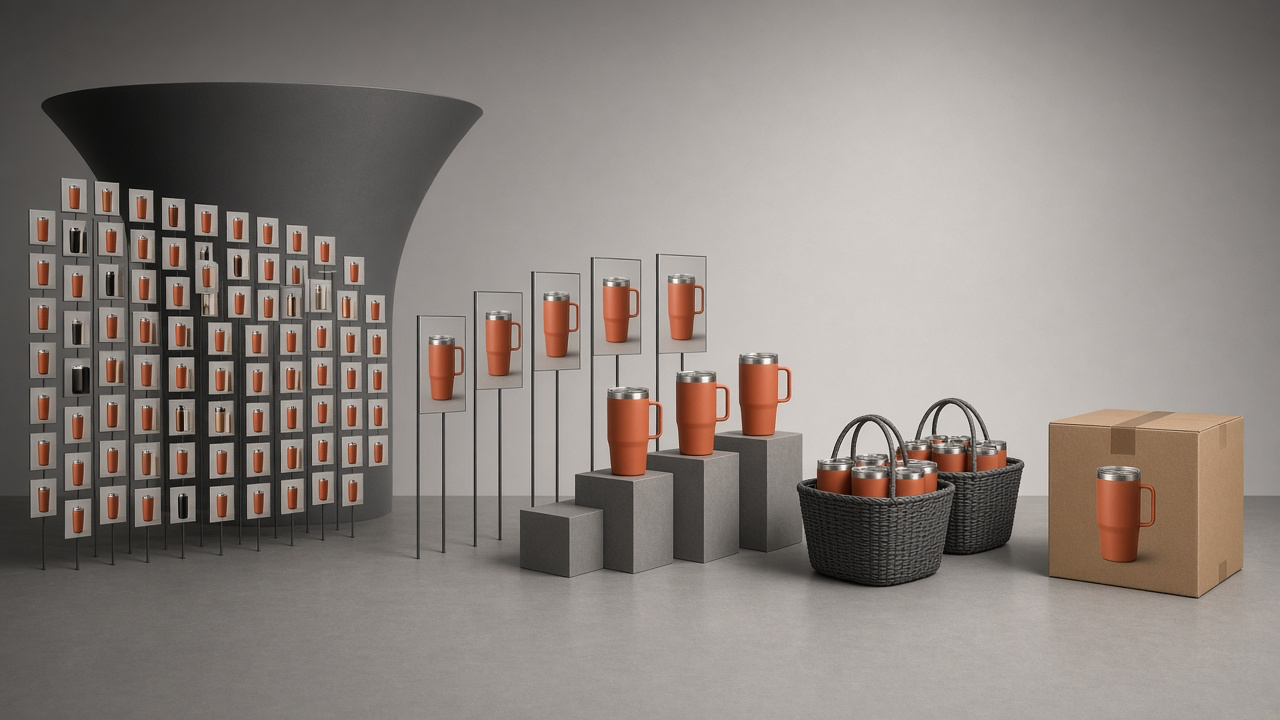
| Observed pattern | More plausible questions | First test |
|---|---|---|
| Many impressions, few listing visits | Is the hero photo clear? Is the title relevant? Is the price competitive? | Compare search thumbnail, title, and offer against close competitors |
| Product views, almost no carts | Does the page explain size, use, quality and value? Is traffic targeted? | Review listing images, product details, trust cues and search intent |
| Carts, few checkouts | Are shipping costs or delivery dates surprising? Are taxes or restrictions unclear? | Inspect delivered total and estimated arrival date |
| Checkouts, no orders | Does payment fail? Is checkout confusing? Are unexpected fees added? | Test mobile checkout and payment methods end to end |
| Visits from unrelated traffic | Did your campaign attract browsers rather than potential buyers? | Break down traffic by source, query, location and device |
Start with the biggest drop. Treat each row as a hypothesis to test.
Wrong traffic
A viral Reel or a broad paid audience can dump people into the store who never intended to buy a tumbler, a sweater or whatever you sell. Split results by channel, landing page, device, country and query before you redesign the PDP. If the promise in the ad does not match the product page, the bounce is expected.

Photos that get the click but do not close the sale
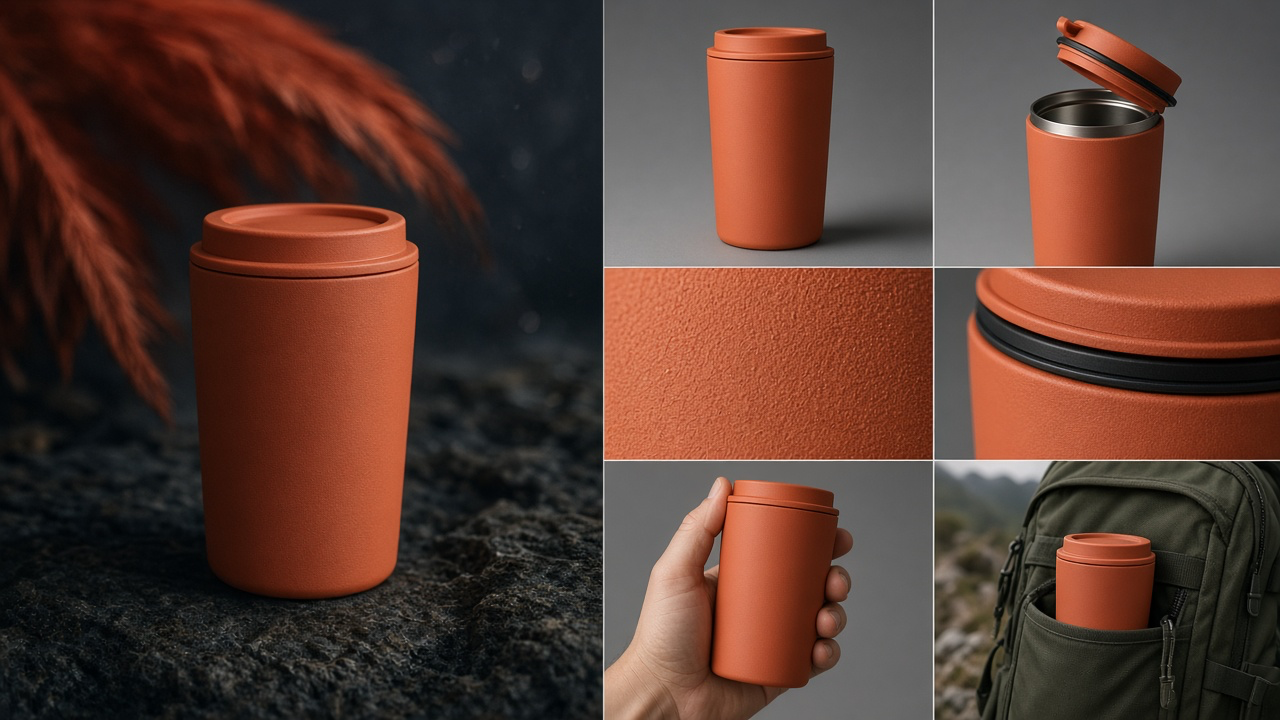
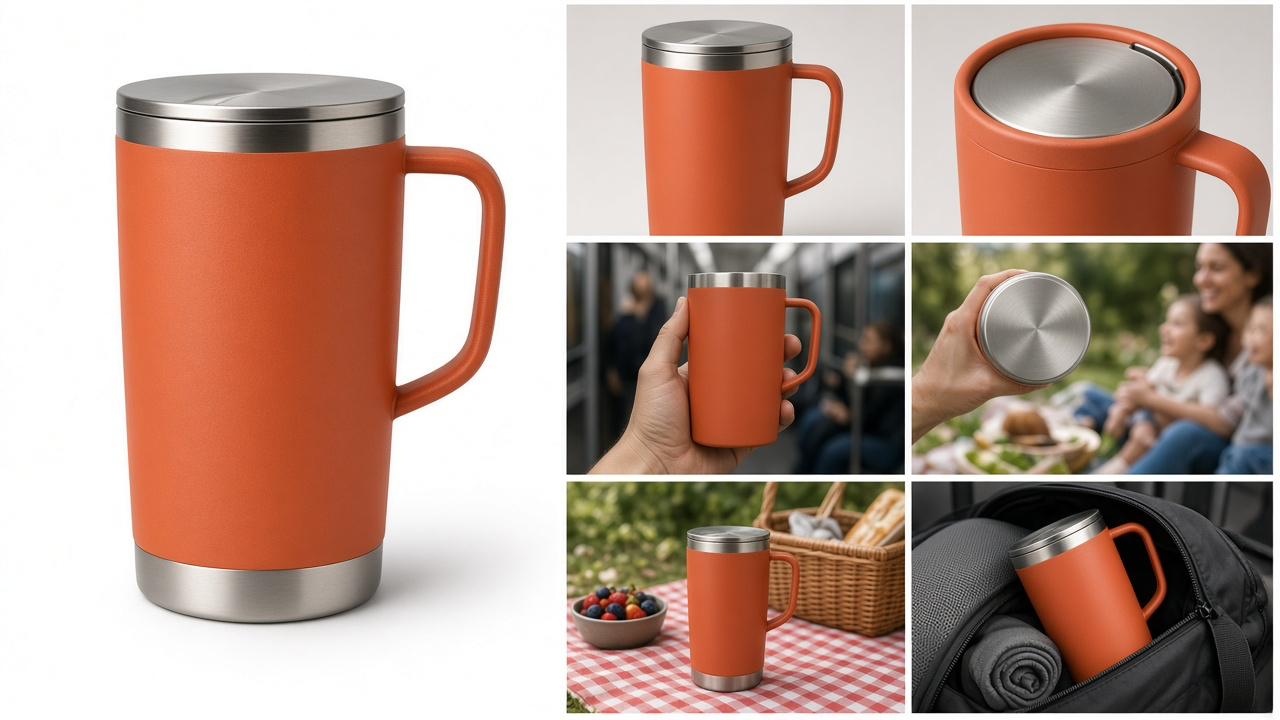
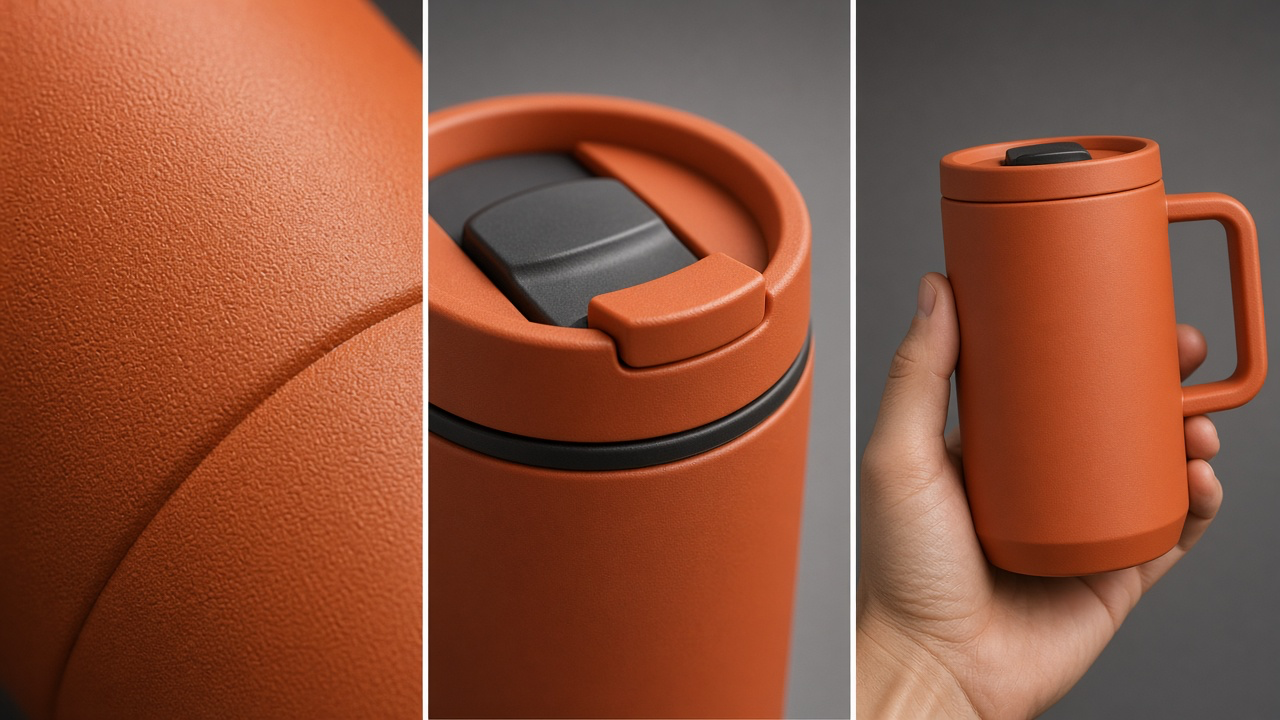
The thumbnail’s job is recognition in a crowded feed. The gallery’s job is answering objections: size, lid, finish, what’s in the box, how it looks in use. Hide those and you get curiosity without carts.
Build an informative set—clean packshot, honest close-ups, scale in hand, one real use scene—and keep color, geometry and accessories true to the SKU. Marketplace image rules and truth-in-advertising still apply. If the funnel drop sits between product view and add-to-cart, fix this before another price experiment. Tools like GenImagePro can expand angles and lifestyle contexts from a real reference photo; they should not invent features. See also how to build trust with product photos.
Shipping, trust and checkout
Shoppers pay the delivered total. Shipping, ETA, taxes, returns and “will this look like the photo?” sit in that total. Swapping hero images will not rescue a cart that jumps $15 at shipping.
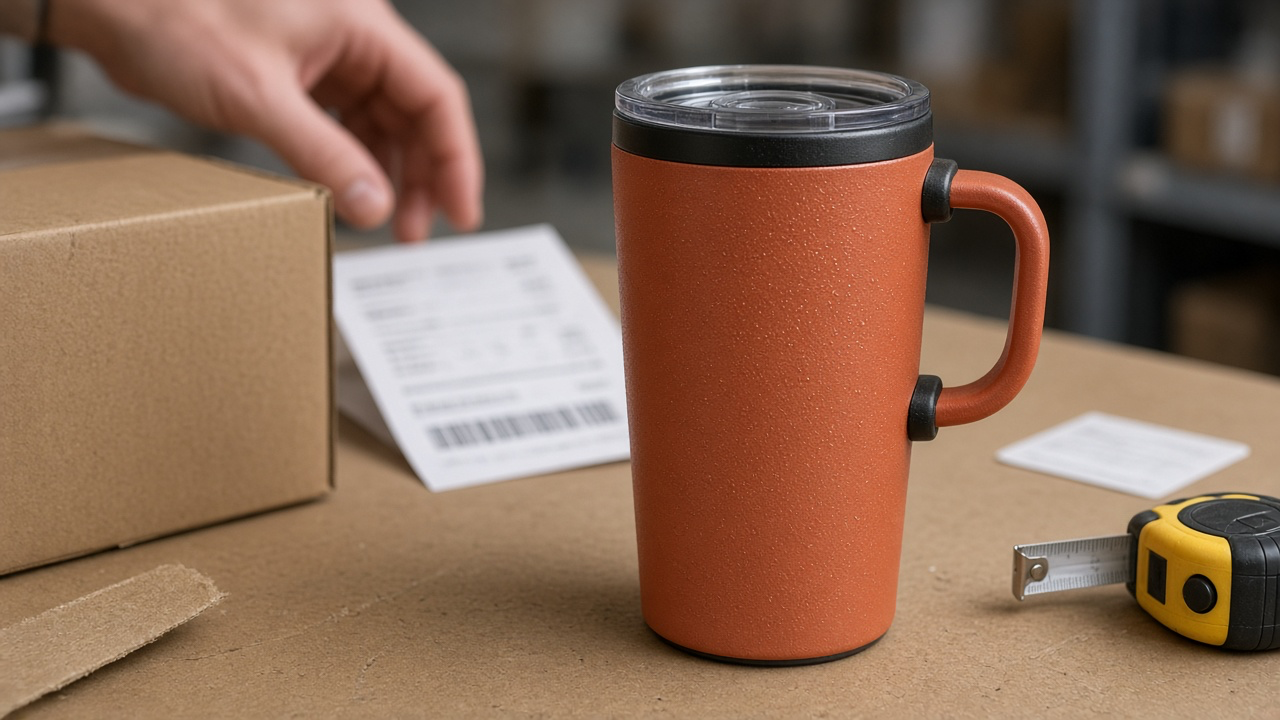
Missing dimensions, vague materials, mismatched photos or soft claims leave open questions. Put specifics on the page: capacity, care, what’s included, return window. Use real reviews. Do not invent endorsements.
If views and carts look fine and orders do not, buy the thing yourself on mobile: cart → address → shipping options → payment → confirmation. Note errors, missing wallets, surprise fees and sluggish pages. That work beats another photography pass.
A 30-minute diagnostic before you change the listing
Name the metric
Confirm whether 2,000 means impressions, listing views, pageviews, users or sessions. Write down the date range.
Check traffic quality
Look at source, query, geography, device and obvious bot noise.
Locate the first big drop
Compare exposure → views → carts → checkout → purchase on whatever reports you have.
Audit the delivered offer
Price plus shipping, ETA, returns and two close competitors.
Run a mobile buying test
Complete checkout yourself. Capture errors, unsupported payments and surprise fees.
Audit visual proof
Size, color, packaging, use, materials, what’s included—flag anything missing.
Change one variable
If the data points at images, test one clearer lead shot or gallery and watch the matching rate long enough to mean something.
Same “no sales” headline, three different leaks
| Seller scenario | What the data suggests | Better next move |
|---|---|---|
| 2,000 eBay impressions, 31 listing views, zero orders | Search-result relevance or click appeal may be weak | Examine title, first image, price and category before rebuilding the page |
| 2,000 Shopify sessions, 7 carts, zero orders | Traffic intent or product-page persuasion may be weak | Segment traffic and inspect offer, product proof and gallery |
| 2,000 Shopify sessions, 140 carts, 80 checkouts, zero orders | Checkout, payment, shipping or measurement needs investigation | Test checkout and inspect payment or delivery barriers first |
Hypothetical examples for diagnosis practice—not audited store data.
2,000 views and no sales: FAQs
Is 2,000 views with no sales normal?
Depends what the platform counts as a view, the date range, category and traffic intent. Two thousand impressions is nothing like two thousand product sessions from people who searched for the item.
Why do I get lots of eBay views but no sales?
Check whether you are looking at listing impressions or actual View Item page views, then compare delivered price, listing details, photos, competition and buyer intent. eBay defines sales conversion using transactions divided by listing views.
How do I check Shopify conversion rate?
Shopify reports completed-checkout sessions divided by sessions. Use its behavior and conversion reports to inspect cart additions, reached checkout and completed orders. Shopify changed session measurement in September 2026, so compare periods carefully.
Should I lower my price if I have no sales?
Check shipping, competitor offers, traffic quality, checkout friction and product presentation first. A discount will not fix a broken checkout.
Can product photography increase sales?
Clearer photos help when shoppers cannot see size, materials, finish or what is included. Confirm that gap in the data before you rebuild the gallery.
Can AI-generated product images mislead buyers?
Yes, if they change real features, packaging, materials, scale or included accessories. Use accurate references and verify every asset before publishing. Never fabricate endorsements or results.
Why do I have add-to-carts but no purchases?
Inspect delivered total, shipping options, payment support, mobile checkout reliability, return policy and potential tracking gaps. Those signals point to a different issue than a listing people never click.
Sources
Shopify Behavior Reports; Shopify Analytics Fields; September 2026 session-measurement changes; eBay Traffic Report Metrics. Scenario numbers are illustrative.